Signs Your Transmission Is Failing – What Lincoln Drivers Need to Know
The Early Warning Signs of Transmission Failure and How Drivers Can Prevent Costly Repairs with Proper Maintenance

Transmission problems are among the most expensive and stressful vehicle repairs a driver can face. In Lincoln, NE, where stop-and-go traffic, seasonal weather changes, and long commutes are common, your transmission works hard every single day. Unfortunately, many drivers ignore early warning signs, assuming the issue will resolve itself. By the time symptoms become severe, the repair bill often reflects months of unnoticed damage.
The good news is that most transmission failures begin with small, noticeable signs. When caught early, repairs are often manageable and far less expensive than a full transmission replacement. In this guide, we will break down the most common transmission warning signs, explain what they mean, and help Lincoln drivers understand when it is time to schedule a professional inspection.
What Your Transmission Actually Does
Your transmission transfers power from the engine to the wheels. It controls gear changes so your vehicle can accelerate smoothly, maintain speed, and operate efficiently at different driving conditions.
There are two main types of transmissions:
- Automatic transmissions
- Manual transmissions
Both rely on fluid, internal gears, clutches, and electronic components to function properly. When one part begins to fail, the entire system can be affected.
Why Transmission Problems Are So Costly
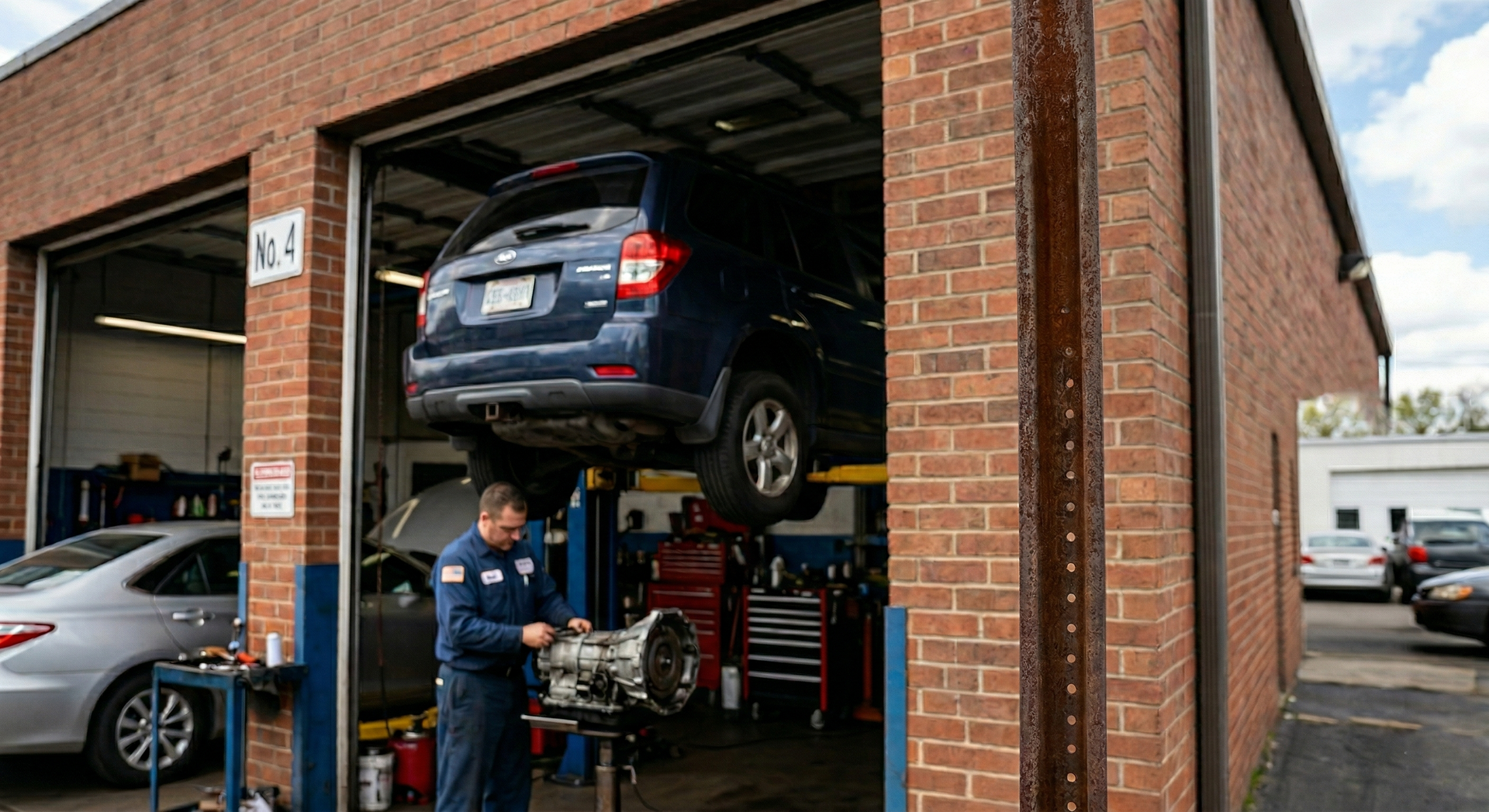
Transmission systems are complex. Repairs often involve removing the transmission from the vehicle, which is labor-intensive. If internal damage spreads, costs increase significantly.
Early intervention can mean:
- Fluid replacement instead of rebuild
- Solenoid repair instead of full replacement
- Minor seal repair instead of catastrophic failure
Ignoring symptoms almost always leads to higher costs.
Early Warning Signs of Transmission Trouble
Recognizing early signs is critical for preventing major repairs.
1. Delayed or Rough Shifting
If your vehicle hesitates before shifting into gear, jerks between gears, or feels unusually rough during acceleration, your transmission may be struggling.
Common causes include:
- Low transmission fluid
- Worn clutch components
- Failing shift solenoids
- Internal wear
Lincoln drivers often notice this first during cold mornings, when fluid is thicker.
2. Slipping Gears
Transmission slipping feels like the engine revs higher without a corresponding increase in speed. You may also feel sudden jerks as the vehicle tries to re-engage.
This is a serious sign and should not be ignored.
Possible causes include:
- Worn clutch plates
- Low fluid pressure
- Internal damage
Slipping reduces control and increases risk while driving.
3. Unusual Noises
Strange sounds are often early indicators of trouble.
Listen for:
- Grinding
- Whining
- Clunking
- Humming
Manual transmissions may grind when shifting if the clutch is failing. Automatic transmissions may whine if fluid levels are low.
4. Transmission Fluid Leaks
Transmission fluid is typically bright red and has a slightly sweet smell. If you notice red or dark puddles under your vehicle, have it inspected immediately.
Fluid leaks are common during extreme Lincoln winters when seals contract in cold temperatures.
Low fluid leads to overheating and internal damage.
5. Burning Smell
A burning odor may indicate overheated transmission fluid. Overheating can occur due to:
- Low fluid levels
- Towing heavy loads
- Stop-and-go traffic
- Cooling system issues
Transmission overheating significantly reduces lifespan.
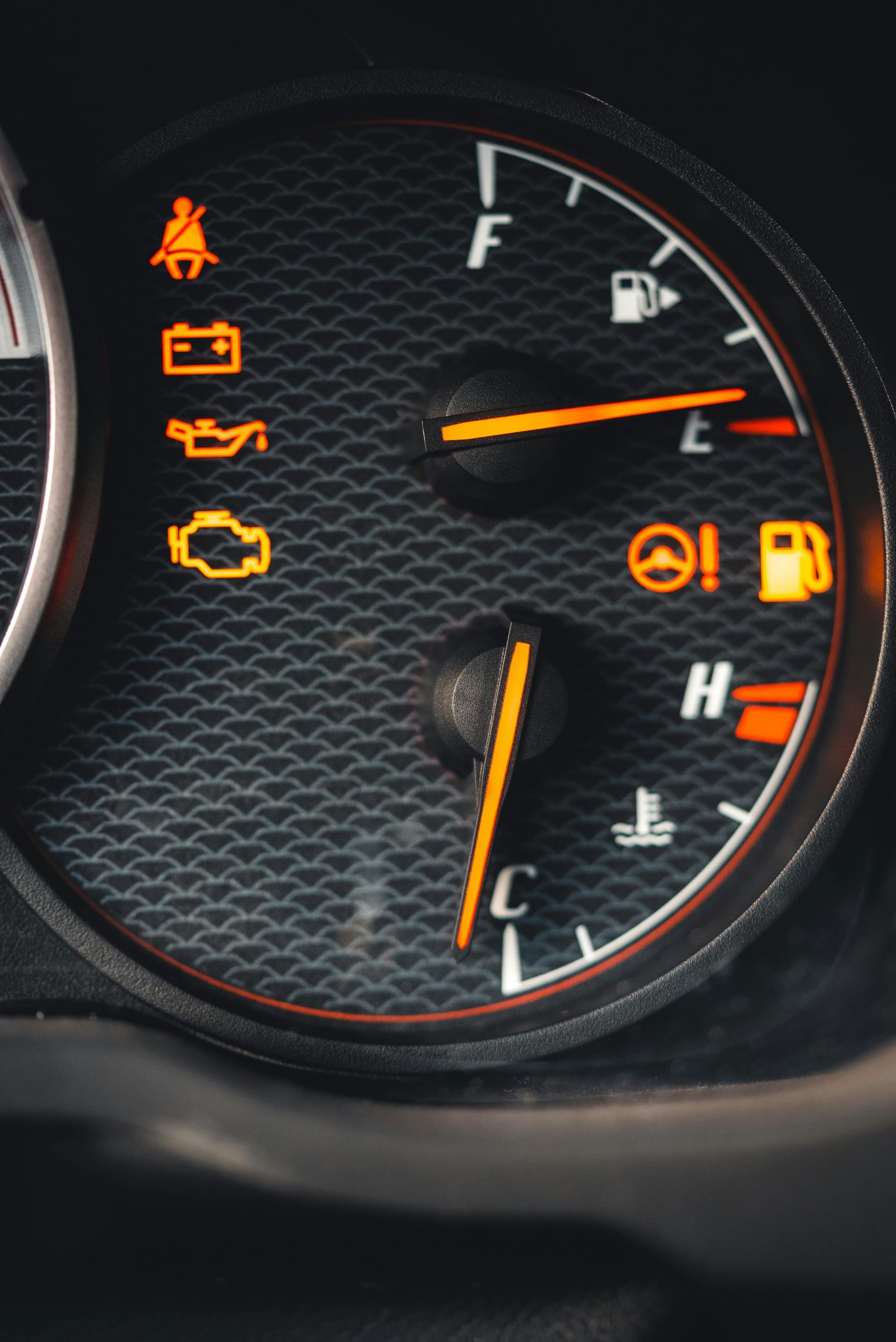
6. Check Engine Light
Modern vehicles use sensors to detect transmission irregularities. The check engine light may illuminate even before noticeable symptoms occur.
Ignoring this warning often leads to worsening damage.
7. Difficulty Shifting Into Gear
If your vehicle refuses to shift into drive, reverse, or another gear, this could indicate:
- Fluid pressure problems
- Linkage issues
- Internal gear failure
This issue requires immediate professional inspection.
How Lincoln Driving Conditions Affect Your Transmission
Lincoln drivers face unique stressors that impact transmission health:
Cold Weather
Cold temperatures thicken transmission fluid, making shifting harder until the vehicle warms up.
Stop-and-Go Traffic
Frequent stopping and starting strains automatic transmissions.
Towing and Hauling
Drivers towing trailers or hauling equipment place additional stress on transmission components.
Potholes and Rough Roads
Impact damage can affect transmission mounts and alignment.
How Often Should Transmission Fluid Be Changed?
Transmission fluid acts as both lubricant and coolant. Over time, it breaks down and becomes contaminated.
Most vehicles require fluid replacement every 30,000 to 60,000 miles, though some newer vehicles may have longer intervals.
Skipping fluid service accelerates internal wear.
Transmission Flush vs. Fluid Change
A transmission fluid change replaces some of the old fluid.
A transmission flush removes nearly all old fluid and replaces it entirely.
A professional can determine which service is appropriate for your vehicle’s condition.
What Happens If You Ignore Transmission Problems?
Delaying transmission repair often results in:
- Complete gear failure
- Vehicle immobility
- Expensive rebuild or replacement
- Increased risk of roadside breakdown
Transmission replacement can cost several thousand dollars. Addressing issues early can dramatically reduce expenses.
When Should You Schedule an Inspection?
Schedule an inspection if you notice:
- Any unusual shifting behavior
- Fluid leaks
- Warning lights
- Strange noises
- Burning smells
Even subtle symptoms deserve evaluation.
Preventative Steps Lincoln Drivers Can Take
You can extend your transmission life by:
- Checking fluid levels regularly
- Avoiding aggressive acceleration
- Allowing vehicle warm-up during extreme cold
- Following manufacturer service intervals
- Scheduling routine maintenance inspections
Preventative care is far less expensive than reactive repairs.
Frequently Asked Questions
How long does a transmission typically last?
With proper maintenance, transmissions can last 150,000 to 200,000 miles. Neglect reduces that lifespan significantly.
Is it safe to drive with a slipping transmission?
No. Slipping can worsen quickly and compromise vehicle control.
Does transmission fluid need to be red?
New transmission fluid is red. Dark brown or burnt-smelling fluid indicates contamination or overheating.
How long does transmission repair take?
Minor repairs may take one day. Major rebuilds may take several days.
Can cold weather cause transmission problems?
Cold weather can worsen existing issues and thicken fluid, making shifting difficult.
Why Lincoln Drivers Choose Gracious Auto Repair
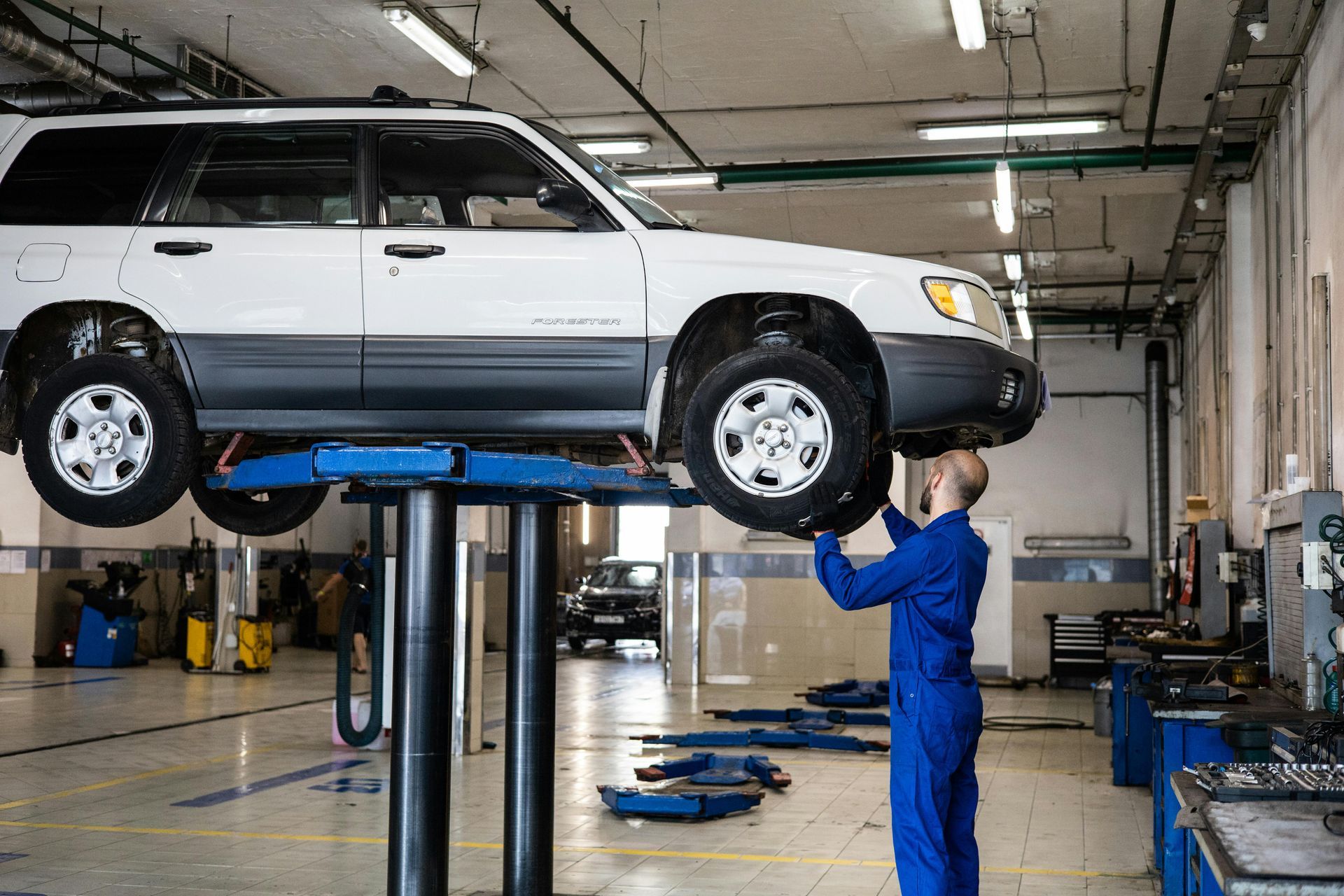
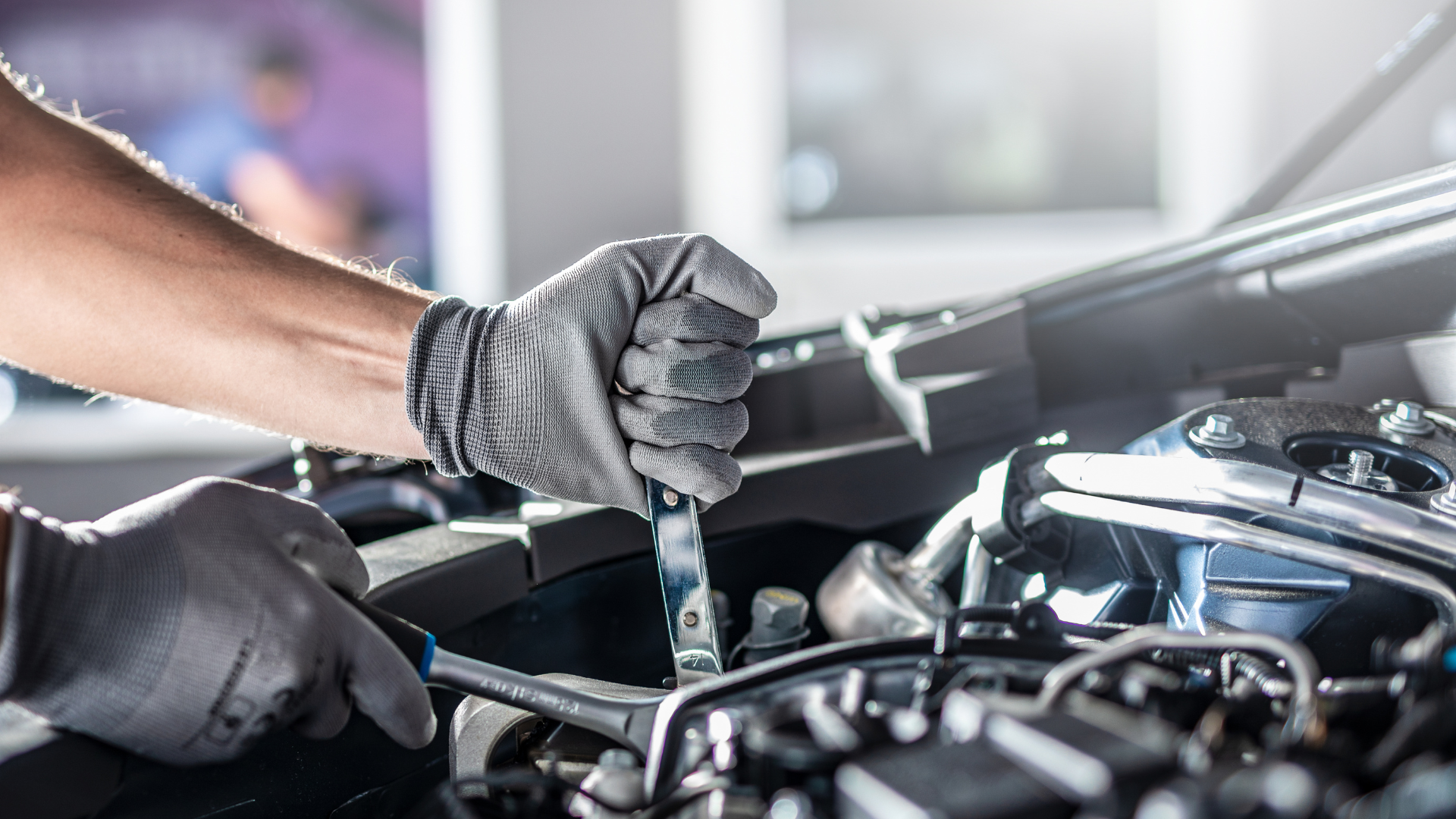
Transmission problems require experience and precision. At Gracious Auto Repair in Lincoln, NE, our technicians diagnose transmission issues accurately and recommend appropriate solutions based on your vehicle’s needs.
We serve drivers throughout Lincoln and nearby communities with reliable, honest service. Whether you’re experiencing minor shifting delays or major transmission symptoms, early diagnosis makes all the difference.
Addressing transmission concerns quickly can save you significant time, money, and stress in the long run.