Why Your Check Engine Light Is On in Lincoln, NE – Common Causes and What to Do
The Most Common Reasons Your Check Engine Light Turns On

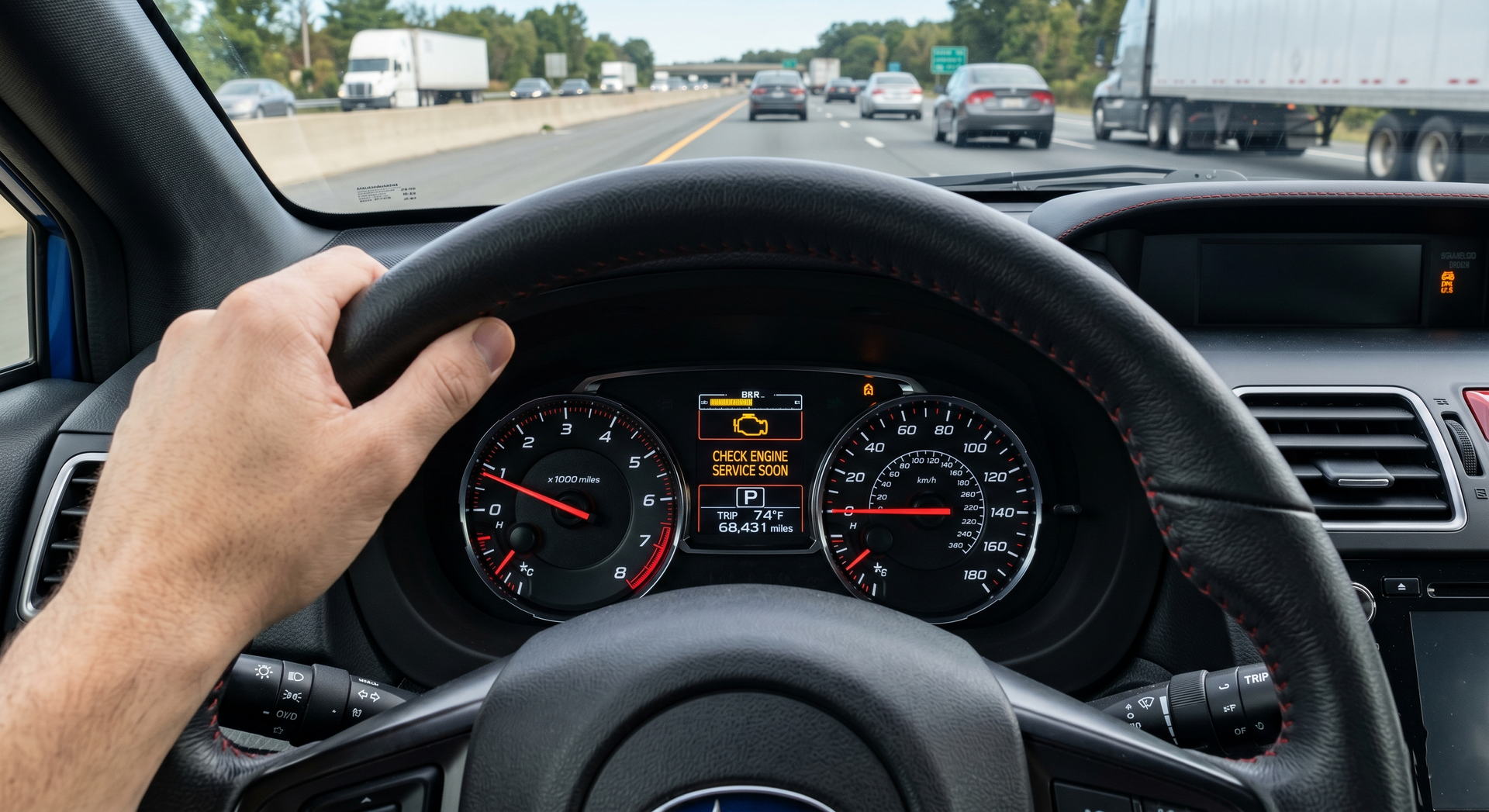
Few dashboard warnings cause more anxiety than the check engine light. It can appear suddenly, sometimes without noticeable changes in how your vehicle drives. For Lincoln, NE drivers, this warning light often shows up at inconvenient times—during cold winter starts, long highway commutes, or while navigating city traffic.
The check engine light is not something to ignore. While it may indicate a minor issue, it can also signal a serious mechanical or emissions-related problem. The key is understanding what the light means, what common causes are, and how quickly you should act.
In this guide, we will break down why your check engine light may turn on, how serious it might be, and what steps you should take to protect your vehicle and your budget.
What the Check Engine Light Actually Means
The check engine light is part of your vehicle’s onboard diagnostic system, often referred to as OBD-II. Sensors throughout your car monitor engine performance, fuel efficiency, emissions output, and other systems. When something operates outside normal parameters, the system stores a trouble code and activates the light.
The light can appear in two ways:
- Solid illumination
- Flashing illumination
A solid light typically indicates a less urgent issue.
A flashing light usually signals a more serious problem that requires immediate attention.
Most Common Reasons for a Check Engine Light in Lincoln Vehicles
1. Loose or Faulty Gas Cap
This is one of the simplest and most common causes. A loose gas cap can allow fuel vapors to escape, triggering an emissions system warning.
Solution:
- Tighten the gas cap until it clicks.
- If the light remains after several driving cycles, have it inspected.
2. Oxygen Sensor Failure
Oxygen sensors measure the amount of unburned oxygen in your exhaust system. A faulty sensor affects fuel efficiency and emissions.
Symptoms may include:
- Reduced gas mileage
- Rough idling
- Failed emissions testing
Replacing a faulty oxygen sensor early prevents damage to the catalytic converter.
3. Failing Catalytic Converter
The catalytic converter reduces harmful emissions. When it fails, your vehicle may lose power and fuel efficiency.
Common warning signs:
- Decreased performance
- Rattling sounds
- Sulfur or rotten egg smell
Ignoring this issue can lead to expensive repairs.
4. Mass Air Flow (MAF) Sensor Issues
The MAF sensor measures the amount of air entering the engine to ensure proper fuel mixture.
When it fails, you may notice:
- Hesitation during acceleration
- Engine stalling
- Reduced fuel economy
Lincoln’s seasonal dust and debris can sometimes contribute to sensor contamination.
5. Spark Plug or Ignition Coil Problems
Spark plugs ignite the air-fuel mixture in your engine. Worn plugs or faulty coils can cause misfires.
Symptoms include:
- Rough running engine
- Poor acceleration
- Shaking at idle
If the check engine light flashes, misfires may be occurring and should be addressed immediately.
6. Faulty Thermostat
Nebraska’s temperature extremes can stress cooling systems. A malfunctioning thermostat may trigger the check engine light if engine temperature fluctuates abnormally.
Ignoring overheating can cause severe engine damage.
7. Emissions System Problems
Vehicles are equipped with complex emissions components that monitor and reduce pollution. Small leaks or sensor failures in this system can trigger the warning light without obvious performance changes.
This is especially relevant for vehicles that must meet emissions standards.
What to Do When the Light Comes On
Step 1: Stay Calm
Not every check engine light indicates a catastrophic problem.
Step 2: Check the Gas Cap
Make sure it is tightened properly.
Step 3: Observe Driving Behavior
Ask yourself:
- Is the vehicle driving normally?
- Is there a noticeable loss of power?
- Are there unusual smells or noises?
Step 4: Schedule a Diagnostic Scan
Even if your vehicle seems fine, retrieving the diagnostic trouble code is essential for determining the root cause.
When Is It Unsafe to Drive?
If the check engine light is flashing, reduce speed and avoid heavy acceleration. A flashing light often indicates active misfires that can damage the catalytic converter.
If you notice:
- Severe shaking
- Smoke from the exhaust
- Loss of power
- Overheating
Stop driving and have the vehicle inspected.
Why Ignoring the Check Engine Light Is Risky
Delaying inspection can lead to:
- Reduced fuel efficiency
- Engine damage
- Failed emissions tests
- Costly component replacement
Small sensor issues can quickly escalate into major repairs if left unresolved.
How Diagnostics Work
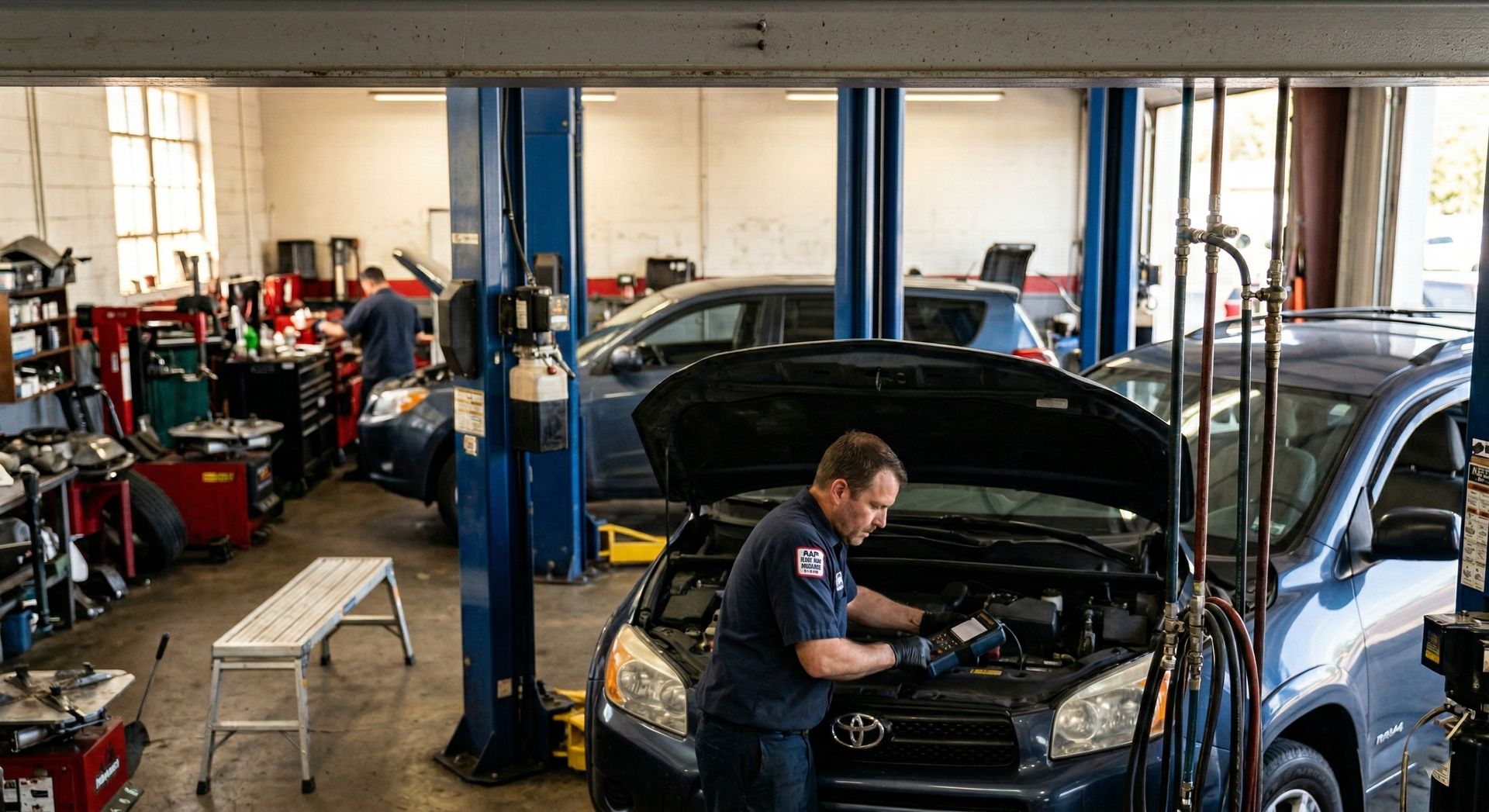
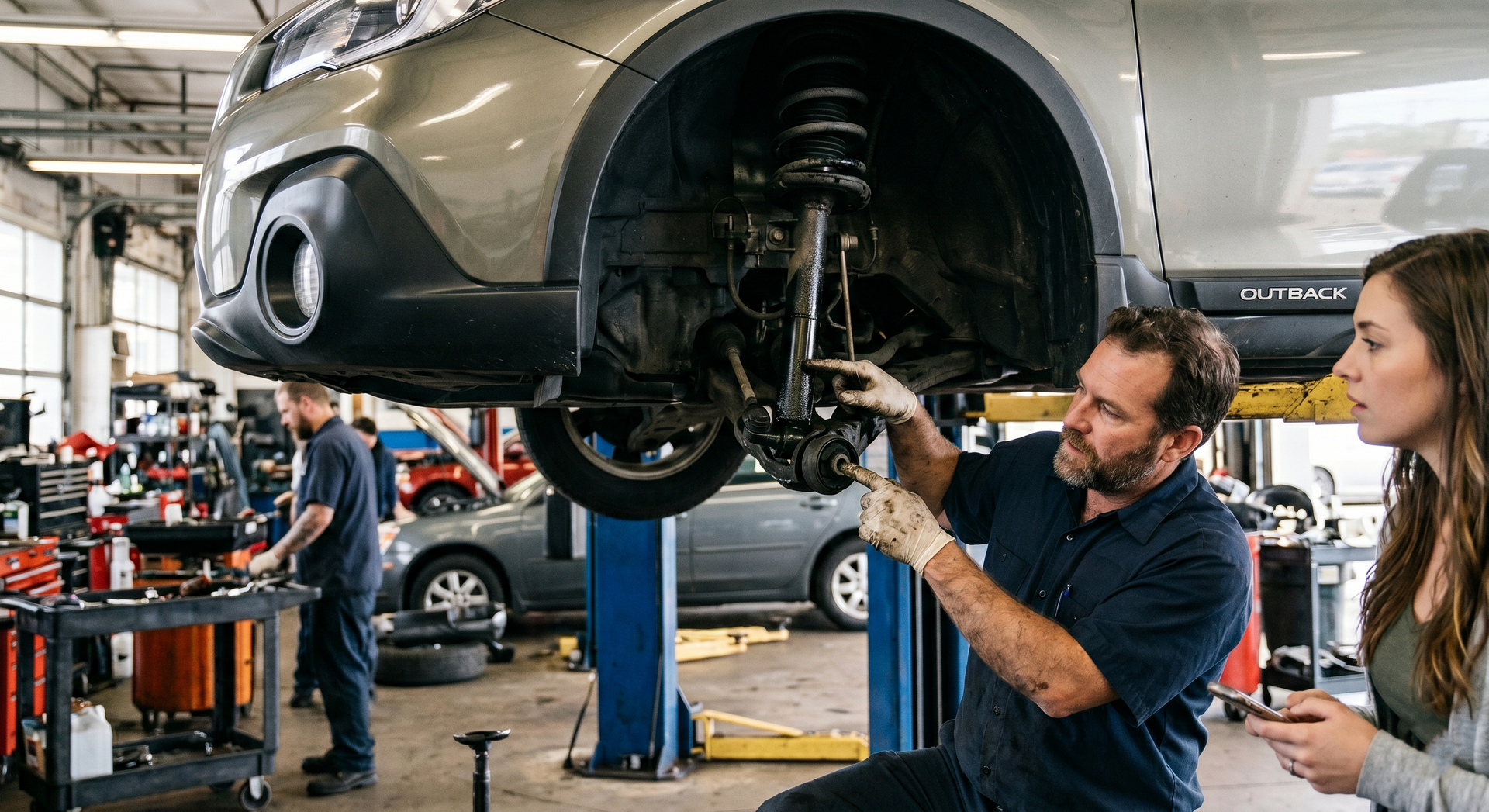
When you bring your vehicle in for inspection, technicians use specialized diagnostic equipment to:
- Retrieve stored error codes
- Analyze sensor data
- Perform visual inspections
- Test affected components
The stored code does not automatically mean a part needs replacement. Proper testing ensures accurate diagnosis and prevents unnecessary repairs.
Preventative Maintenance Reduces Warning Lights
Many check engine light triggers can be prevented through routine maintenance:
- Regular oil changes
- Air filter replacement
- Spark plug service
- Cooling system inspections
- Fuel system cleaning
Staying current on maintenance reduces the likelihood of surprise dashboard warnings.
How Lincoln Driving Conditions Contribute
Lincoln drivers deal with:
- Cold winter starts
- Hot summer traffic
- Road construction dust
- Stop-and-go commuting
These factors can stress sensors and engine components, making diagnostics especially important.
Frequently Asked Questions
Can the check engine light turn off by itself?
Yes, in some cases. If the issue resolves, the system may reset after several driving cycles. However, the stored code may still exist.
Is it expensive to diagnose?
Diagnostic costs vary, but identifying a problem early is usually far cheaper than repairing damage later.
Does the light always mean something serious?
Not always. It can indicate minor issues like a loose gas cap. However, it should never be ignored.
Will I fail an emissions test with the light on?
Yes. An illuminated check engine light will typically result in a failed emissions inspection.
How long can I drive with it on?
If the light is solid and no performance issues are present, you may drive short distances. If it is flashing, immediate service is recommended.
Why Lincoln Drivers Trust Gracious Auto Repair
At Gracious Auto Repair in Lincoln, NE, we provide accurate and transparent diagnostic services. Our technicians interpret diagnostic codes properly, identify root causes, and explain repair options clearly.
Rather than replacing parts unnecessarily, we focus on correct diagnosis and cost-effective solutions. Whether your check engine light is solid or flashing, early inspection helps protect your vehicle and your budget.
If your dashboard warning light has appeared, addressing it promptly can prevent larger, more expensive issues down the road.