The Importance of Regular Vehicle Diagnostics
The Importance of Regular Vehicle Diagnostics
Modern vehicles are more advanced than ever before, packed with sensors, control modules, and onboard computers that constantly monitor your car’s health. While this technology improves safety and performance, it also means problems can go unnoticed until it’s too late—unless you’re proactive. That’s where regular vehicle diagnostics come in. For Lincoln drivers who face a wide range of seasonal stressors—from summer heat to winter salt—routine diagnostics aren’t just smart, they’re essential.
In this complete guide, we’ll explore how diagnostics work, why they’re crucial for early detection, what systems they cover, and how Gracious Auto Repair in Lincoln, NE, uses cutting-edge tools to save you time, money, and stress.
What Are Vehicle Diagnostics?
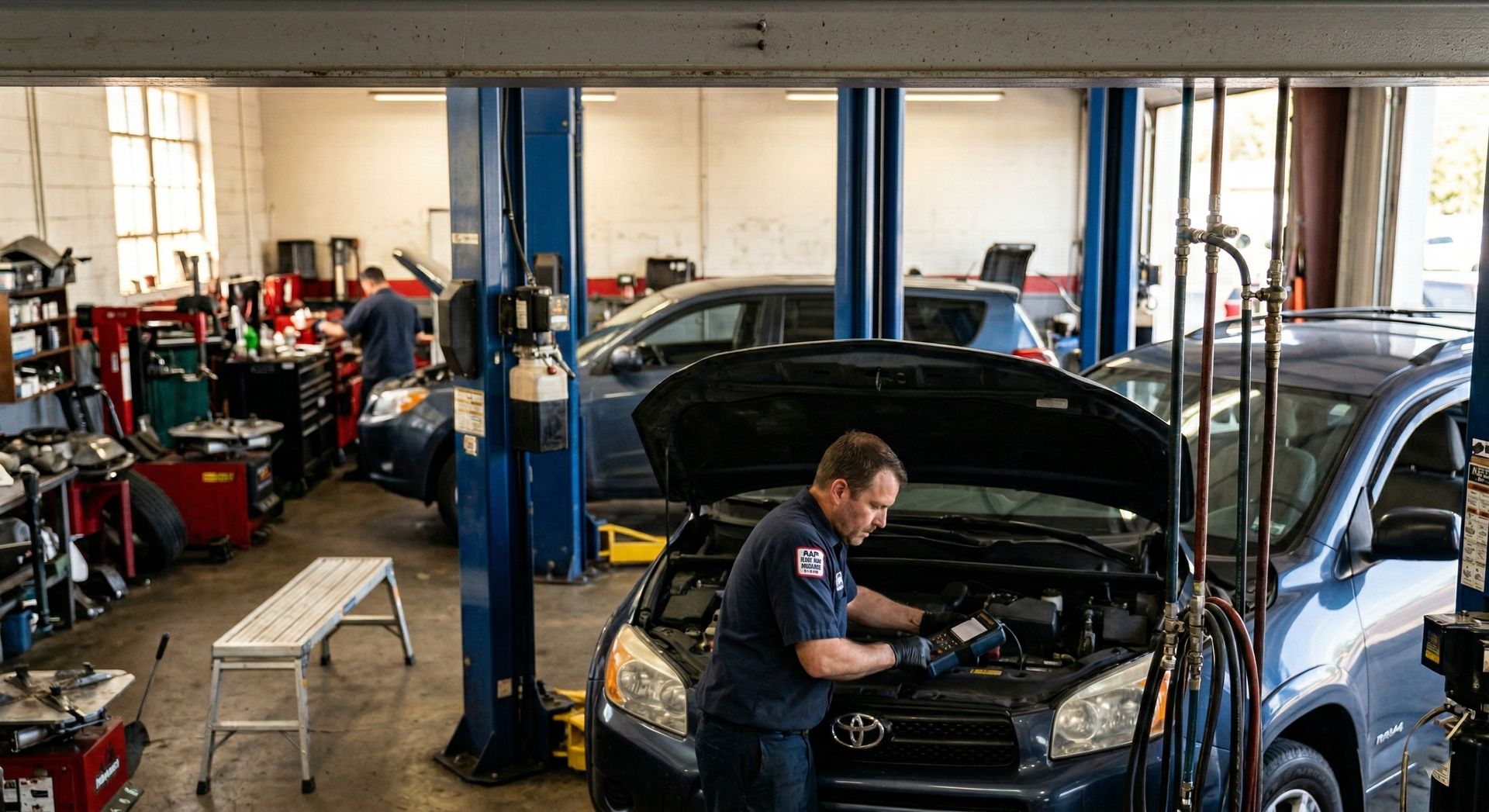
Vehicle diagnostics involve connecting your car to a professional-grade scanner to read fault codes and sensor data from various systems. Think of it as a full-body scan for your vehicle. It allows technicians to identify issues early, long before they trigger a dashboard light or affect how your car drives.
Core Diagnostic Functions:
- Scanning for fault codes stored in the engine control module (ECM)
- Monitoring real-time sensor data (air-fuel ratio, throttle position, temperature, RPM)
- Identifying failures in emissions, ignition, charging, transmission, and safety systems
- Analyzing freeze-frame data when a fault occurred
Technicians can use this data to pinpoint the cause of problems with far more accuracy than a visual inspection alone.
Why Diagnostics Are Especially Important in Lincoln
Lincoln’s unique road and climate conditions take a toll on vehicles, especially those driven daily or over long distances. Diagnostic tools help detect issues created or worsened by local factors:
- Seasonal Temperature Swings: Hot summers and icy winters can stress sensors, wiring, and batteries.
- Road Salt in Winter: Corrodes connectors and oxygen sensors.
- Potholes and Rough Roads: Increase wear on suspension and electronic stability systems.
- Dust and Debris: Affect air intake, mass airflow sensors, and fuel system components.
- Urban Stop-and-Go Traffic: Accelerates wear on ignition and transmission systems.
Staying ahead of Lincoln’s driving challenges with diagnostics helps prevent breakdowns and prolongs your vehicle’s lifespan.
Systems Tested During a Diagnostic Scan
Diagnostics can scan nearly every modern system in your vehicle. At Gracious Auto Repair, our comprehensive diagnostic process includes these key areas:
1. Engine Control System
- Ignition timing
- Misfires
- Fuel trim
- Camshaft/crankshaft position sensors
2. Emissions System
- O2 sensors
- Catalytic converter performance
- EVAP leaks
- EGR valve functionality
3. Transmission Control
- Gear shifting behavior
- Solenoid performance
- Fluid temperature sensors
4. ABS and Brake Systems
- Wheel speed sensors
- Hydraulic pressure monitoring
- Brake fluid level sensors
5. Airbag and Safety Systems (SRS)
- Crash sensors
- Airbag module communication
- Seatbelt tensioner readiness
6. Charging and Electrical System
- Alternator output
- Battery voltage
- Starter draw
7. HVAC and Climate Control
- Blend door actuators
- A/C pressure sensors
- Cabin temperature sensors
Each system can store fault codes even when no warning light is illuminated, making routine scans crucial for uncovering hidden issues.
Benefits of Routine Diagnostics
Diagnostics aren’t just for when the check engine light comes on. Proactively scanning your vehicle can prevent problems from escalating.
1. Early Detection = Lower Costs
Identifying small issues early—like a bad sensor or faulty coil—can prevent major engine or transmission repairs later.
2. Increased Fuel Efficiency
Problems like a clogged air filter or failing O2 sensor reduce MPG. Diagnostics help uncover these hidden performance drains.
3. Smoother Performance
When sensors and actuators are working properly, you get smoother acceleration, better shifting, and quicker starts.
4. Fewer Surprises
Diagnostic scans give you insight into issues before they result in dashboard lights, stalling, or breakdowns.
5. Safer Driving
Failures in ABS, traction control, or airbags often start with small errors. Diagnostics help ensure critical safety systems are working.
6. Better Maintenance Planning
Use diagnostics to prioritize upcoming services based on wear—not just mileage.
How Often Should Lincoln Drivers Get Diagnostics?
While there’s no universal schedule, Lincoln-area drivers should follow these general guidelines:
- Once per year as part of a regular maintenance plan
- Before and after winter, due to extreme temperatures and road salt
- Before long trips to ensure your vehicle is ready
- When buying a used vehicle to avoid hidden problems
- When ANY dashboard warning light appears
- When you notice poor fuel economy, rough idle, or sluggish performance
Diagnostics are quick, affordable, and can prevent major mechanical issues down the road.
What Happens During a Diagnostic Appointment?
At Gracious Auto Repair, our diagnostic process goes beyond just scanning codes. We use a step-by-step system to ensure every issue is correctly identified:
Step 1: Code Retrieval
We connect a high-end OBD-II scanner to your vehicle’s diagnostic port and pull any stored, pending, or historical trouble codes.
Step 2: Live Data Analysis
Our technicians review sensor data in real time—watching for voltage drops, erratic signals, and out-of-range values.
Step 3: Freeze Frame Data Review
If a code has triggered, we analyze the conditions under which it happened (e.g., vehicle speed, engine load, RPM).
Step 4: Targeted Inspection
If codes suggest an issue (e.g., misfire on cylinder 2), we inspect coils, plugs, and injectors to confirm root cause.
Step 5: Results and Estimate
You receive a full report, including the meaning of each code, our recommendations, and the urgency of needed repairs.
This ensures your money is only spent on repairs that truly solve the problem.
Diagnostic Repairs We Commonly Perform
Based on scan results and physical inspections, our shop handles a full range of diagnostic-related repairs, including:
- O2 sensor and mass airflow sensor replacement
- Spark plug and ignition coil repairs
- EVAP system leak detection and repair
- Catalytic converter replacement
- Transmission solenoid replacement
- Electrical diagnostics and wiring repairs
- Alternator and battery replacement
- ECM or TCM software updates and module programming
All repairs are performed by ASE-certified technicians using factory-approved tools and high-quality parts.
Cost of Vehicle Diagnostics in Lincoln
Diagnostic service is one of the most affordable ways to protect your car. At Gracious Auto Repair, we offer:
- Basic Scan (Code Pull + Report): $50–$75
- Comprehensive Diagnostic + Visual Inspection: $90–$150
- Advanced Diagnostic with System Testing: $150–$250
We apply diagnostic fees toward the cost of any repairs we perform, so the scan often pays for itself.
DIY vs. Professional Diagnostics
Many drivers wonder if they can use a simple code reader instead of going to a shop. The answer depends on the issue.
DIY Scans:
- Reveal basic engine codes (e.g., P0171: system too lean)
- Limited to generic OBD-II systems
- No live data or freeze frame analysis
- No recommendations or repairs
Professional Diagnostics:
- Access full system data across all modules
- Detect subtle issues missed by DIY tools
- Interpret manufacturer-specific codes
- Pair data with physical inspection for accuracy
In short, DIY tools are helpful, but not a replacement for professional diagnostics—especially for complex or recurring issues.
Signs You Should Schedule a Diagnostic Scan Now
Don’t wait for a warning light to get your car checked. If you notice any of the following, book a diagnostic appointment immediately:
- Check engine, ABS, airbag, or traction control lights
- Rough idle or engine vibration
- Hard starts or stalling
- Sudden drops in MPG
- Transmission slipping or delayed shifting
- A/C not blowing cold despite charge
- Electrical systems acting erratically (radio, windows, etc.)
The sooner you scan, the sooner you can avoid major repairs or roadside breakdowns.
FAQs – Vehicle Diagnostics in Lincoln
What does a “Check Engine” light really mean?
It means a fault has occurred in your engine or emissions system. It could be minor (like a loose gas cap) or major (like a misfire). Only a scan can confirm.
Is it safe to drive with a warning light on?
A blinking check engine light means stop driving—it's likely a misfire that could damage your engine. A solid light allows short-term driving but should be diagnosed soon.
Can I just clear the codes?
Yes, but that doesn’t fix the problem. Clearing codes resets the warning light temporarily, but the issue remains.
How long does a diagnostic take?
Most scans take 30–60 minutes. More complex issues may require 1–2 hours including inspection.
Will a diagnostic tell me exactly what’s wrong?
It points you in the right direction. Combined with technician insight, it’s highly accurate and faster than trial-and-error repairs.
Schedule a Vehicle Diagnostic in Lincoln Today
Your car is constantly communicating through its internal systems—even if no warning light is on. A professional diagnostic scan translates that data into clear, actionable steps that keep you on the road safely.
Gracious Auto Repair in Lincoln, NE offers advanced diagnostic services using the latest tools and ASE-certified expertise. Whether you're dealing with a check engine light, transmission hesitation, or just want peace of mind before a road trip, we’re here to help.
Gracious Auto Repair
10001 Weeks Dr
Lincoln, NE 68516
Phone: (402) 430-7063
Hours: Monday–Friday, 8:00 AM – 5:00 PM
https://www.graciousautorepair.com
Recent Posts