Electrical Issues in Vehicles – How to Spot and Fix Them in Lincoln

January 12, 2026

Troubleshooting Electrical Issues in Lincoln Vehicles

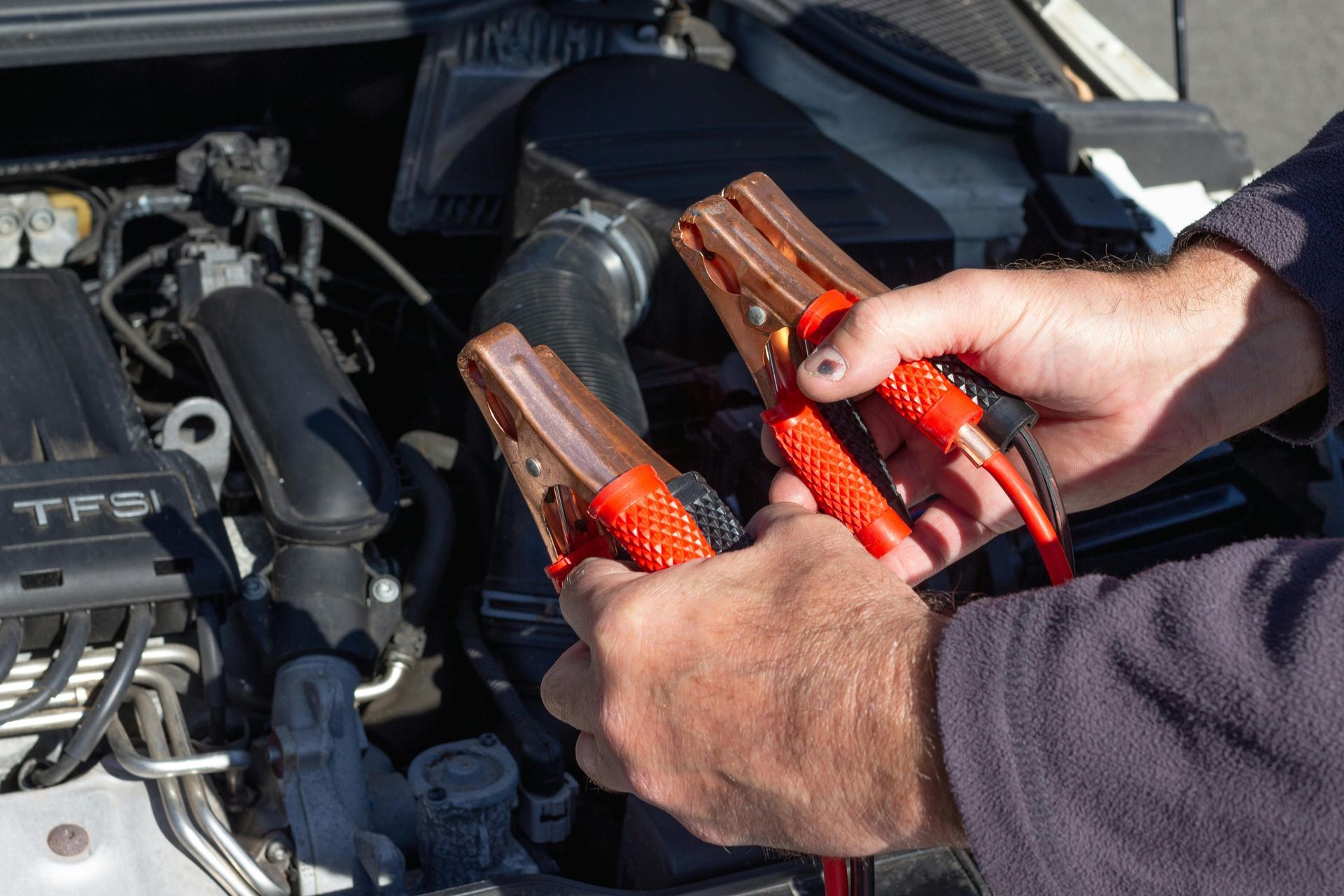
Hands holding red and black jumper cables near an open car hood.

Electrical problems are among the most frustrating and complicated issues car owners face. Modern vehicles depend heavily on complex electrical systems, with everything from starting the engine to controlling power windows and sensors relying on a network of wires, relays, and computers. In Lincoln, NE—where winter temperatures can dip well below freezing and summer heat tests battery endurance—drivers must be proactive about recognizing electrical problems and addressing them before they escalate into costly failures.

In this guide, we’ll explain the major components of your vehicle’s electrical system, how to recognize warning signs, common causes of electrical issues, and what Lincoln-area drivers should do when something goes wrong. You'll also discover how Gracious Auto Repair offers expert diagnostics and affordable repairs to keep your car running reliably in any season.

How Your Vehicle’s Electrical System Works

A car’s electrical system is composed of three main components and numerous secondary systems that power everything from headlights to heated seats. Understanding these basics can help you better identify when something is going wrong.

1. Battery


The battery provides the electrical power needed to start the engine. It also powers accessories (radio, lights, dashboard) when the engine is off. A healthy battery should deliver about 12.6 volts when fully charged.


2. Starter


Once you turn the key or push the start button, the starter motor draws current from the battery to crank the engine. If your battery is strong but your car doesn’t start, the starter motor or solenoid may be the issue.

3. Alternator


Once the engine is running, the alternator recharges the battery and supplies power to all vehicle electronics. If the alternator fails, your battery will drain, and electrical systems will begin to malfunction.

Supporting Components:

  • Fuses and relays

  • Ground connections

  • Wiring harnesses

  • Sensors and control modules

  • On-board diagnostic systems

These systems all work in harmony—until one of them doesn’t.

Common Electrical Problems in Vehicles

Drivers in Lincoln report a wide range of electrical issues. Below are the most common problems, what causes them, and how to tell if your vehicle is affected.

1. Dead or Weak Battery


A dead battery is the most common electrical failure. Batteries typically last 3 to 5 years, but temperature extremes can shorten that lifespan.

Signs:

  • Engine cranks slowly or not at all

  • Dashboard lights flicker or go dim

  • Clicking sound when turning the key


2. Faulty Alternator

If your alternator can’t produce enough voltage, your battery will not recharge properly, and vehicle electronics may act erratically.

Signs:

  • Battery light on dashboard

  • Dim headlights or slow power windows

  • Frequent jump-starts needed

3. Malfunctioning Starter

The starter uses the battery’s power to turn over the engine. A faulty starter can prevent the car from starting even if the battery is fully charged.

Signs:

  • Clicking sound but no engine turnover

  • No sound at all when turning the key

  • Intermittent starting problems

4. Blown Fuses

Fuses protect individual electrical circuits. If a fuse blows, that particular system will stop working.

Signs:

  • One feature stops working (radio, power windows, headlights)

  • Fuse appears burned or broken

5. Bad Ground or Wiring Issue

Corroded or disconnected wires can prevent electricity from flowing correctly. Lincoln’s road salt and humidity can contribute to corrosion.

Signs:

  • Intermittent power loss

  • Burning smell from under the dashboard

  • Components behave unpredictably


6. Sensor Failures

Modern vehicles contain dozens of sensors monitoring systems like emissions, temperature, tire pressure, and airflow. When these sensors fail, performance and efficiency drop.

Signs:

  • Check engine light

  • Rough idling

  • Decreased fuel economy

7. Parasitic Electrical Drain

If a device or component draws power while the car is off, it can drain the battery overnight.

Signs:

  • Battery dies after sitting overnight

  • Electrical systems flicker when starting

Symptoms of Electrical Problems

You don’t need to be a mechanic to recognize a failing electrical system. These signs should prompt an immediate visit to an expert shop like Gracious Auto Repair:

  • Engine won’t crank

  • Frequent jump-starts

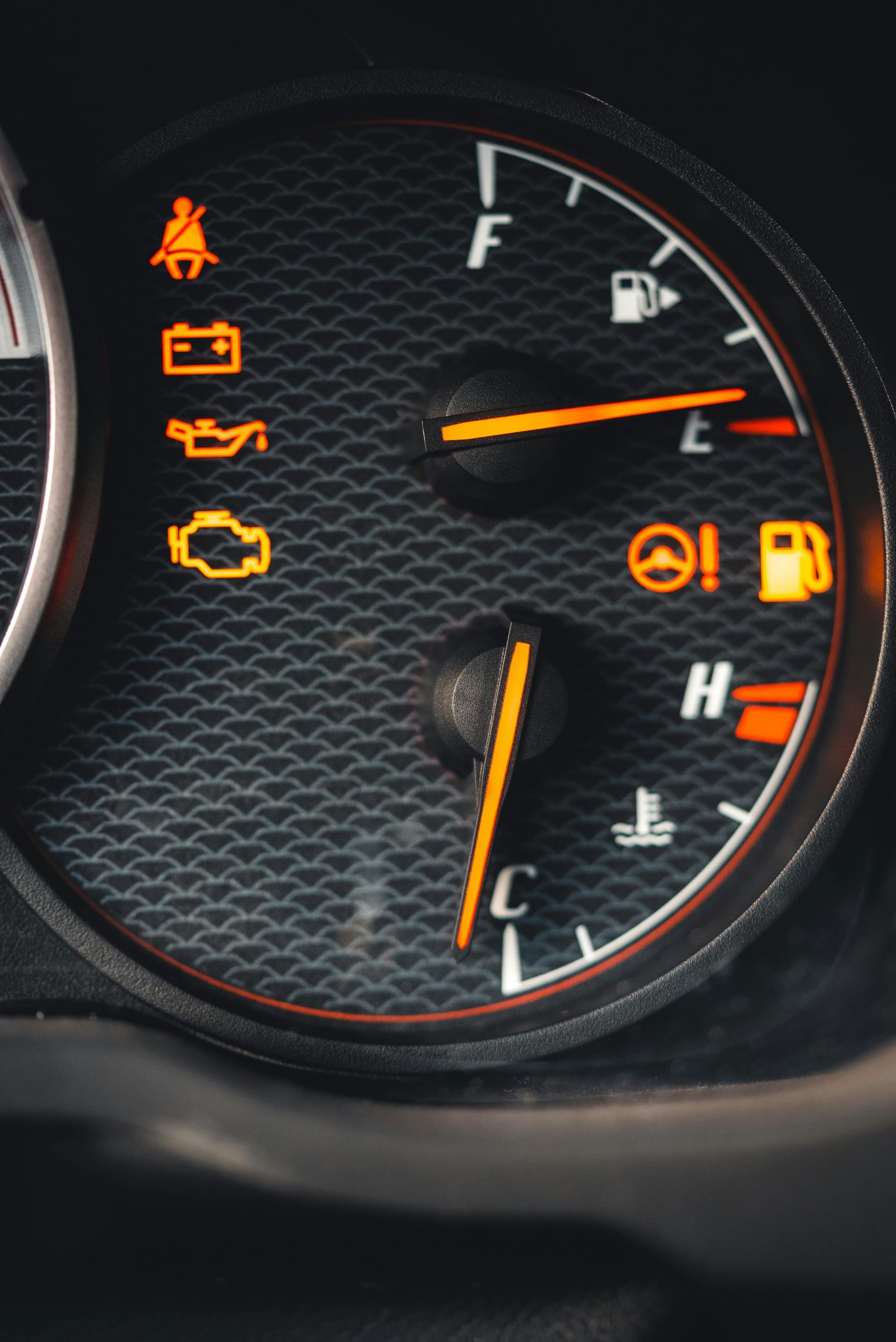
  • Dashboard warning lights

  • Electrical accessories stop working

  • Headlights dim or flicker

  • Burning plastic smell

  • Car stalls unexpectedly

Ignoring these warning signs can cause minor issues to become major repairs, especially in cold weather when electrical systems are under more stress.

Diagnosing Vehicle Electrical Issues

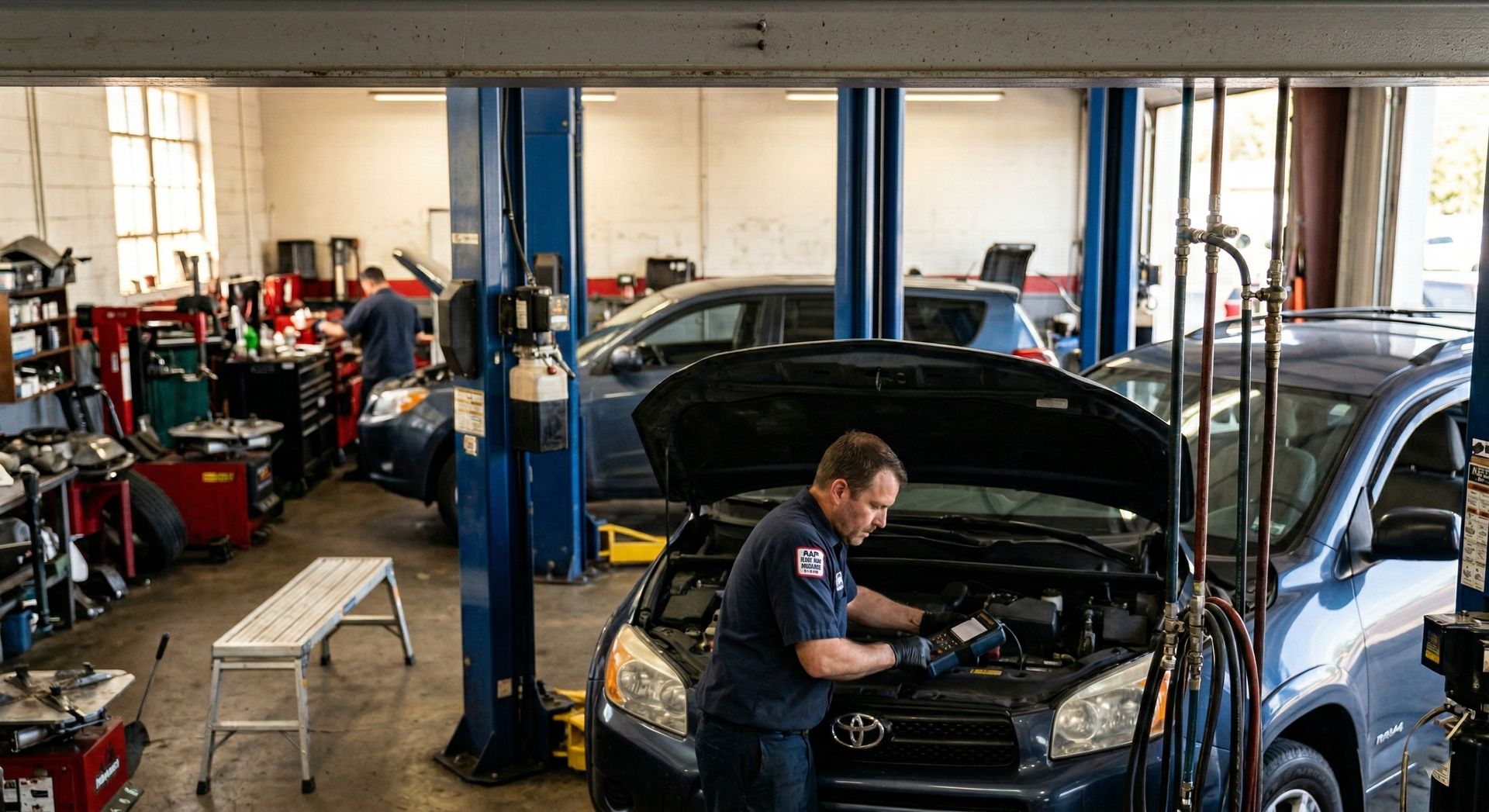
Diagnosing electrical problems requires both expertise and specialized equipment. At Gracious Auto Repair, we use a proven process to identify problems quickly:

Step 1: Battery Load Test

We measure voltage and perform a load test to check battery health and capacity under stress.

Step 2: Alternator and Starter Test

We inspect the charging system and test alternator voltage output and starter motor draw.

Step 3: Computer Diagnostics

Our OBD-II scanners read stored trouble codes and live data from sensors, helping us pinpoint failing modules or circuits.

Step 4: Visual Inspection

We inspect fuses, relays, terminals, and connectors for corrosion, fraying, or disconnection.

Step 5: Circuit Testing

Using a multimeter, we test resistance, voltage drop, and continuity across key circuits.

Step 6: Parasitic Draw Testing

If your battery dies overnight, we perform a draw test to identify which component is drawing excess current.

With these steps, we ensure accurate results and avoid replacing parts unnecessarily.

Why Electrical Issues Are Common in Lincoln

Lincoln drivers face unique challenges that contribute to electrical wear and tear:

  • Cold winters increase battery resistance and lower capacity

  • Summer heat accelerates corrosion and degrades wiring insulation

  • Dusty or gravel roads introduce particles into sensitive electrical areas

  • Road salt causes rapid corrosion of fuses and connectors

  • Rodents seek warmth in engine bays and chew wires in fall and winter

These environmental factors make annual inspections and diagnostics even more important.

What Happens During an Electrical Repair

If your vehicle is diagnosed with an electrical problem, our ASE-certified technicians follow a transparent, step-by-step repair process:

  • Identify faulty part or wiring issue

  • Explain the problem clearly and review repair options

  • Provide a written estimate

  • Perform quality repairs using OEM or high-grade aftermarket parts

  • Test repaired systems to confirm resolution

  • Provide warranty documentation for peace of mind

Whether it’s a simple fuse or a complex wiring harness, we handle every job with precision and integrity.

How Much Do Electrical Repairs Cost?

Electrical repairs range widely depending on the complexity of the problem. Here's what Lincoln drivers can expect:

  • Battery Replacement: $125 – $250

  • Alternator Replacement: $350 – $700

  • Starter Replacement: $275 – $600

  • Fuse or Relay Replacement: $50 – $150

  • Wiring Repair: $150 – $500

  • Sensor Replacement: $100 – $300

  • Parasitic Draw Diagnostics: $100 – $200

At Gracious Auto Repair, we believe in up-front pricing and giving customers multiple repair options when available.

DIY vs. Professional Electrical Repair

While changing a fuse or battery can be a DIY task, most electrical problems require professional attention. Here’s why:

Risks of DIY Electrical Repairs:

  • Misdiagnosis can lead to wasted money on unnecessary parts

  • Mistakes can damage control modules or sensitive circuits

  • Improper repairs can void your warranty

  • Poor workmanship can create safety risks or fires

At Gracious Auto Repair, we use manufacturer-recommended tools, procedures, and parts to ensure lasting repairs that protect your vehicle’s value.

Electrical Maintenance Tips for Lincoln Drivers

Stay ahead of electrical failures with these tips:

  • Have your battery tested before winter and summer seasons

  • Clean battery terminals every six months

  • Park indoors during freezing weather to preserve battery life

  • Avoid aftermarket electronics that overdraw your system

  • Use rodent repellent if parking outside during fall/winter

  • Schedule annual diagnostic checks

Preventative maintenance is the most cost-effective way to avoid breakdowns and extend your vehicle’s lifespan.

FAQs – Lincoln Vehicle Electrical Issues

How can I tell if it’s my battery or alternator?

If your vehicle starts after a jump but quickly dies, it’s likely the alternator. If it doesn’t start at all, the battery or starter could be to blame.


Why does my car battery keep dying overnight?

A parasitic drain is likely. Common causes include stuck relays, faulty modules, or dome lights that stay on.

Can cold weather ruin my battery?

Yes. Freezing temperatures reduce a battery’s cranking amps. Weak batteries often fail during the first deep freeze of winter.

What’s the lifespan of a car battery in Nebraska?

Due to temperature swings, most batteries in Lincoln last 3 to 4 years—less than the national average.

Can rodents really chew through wires?

Absolutely. It's a common problem in Lincoln and surrounding areas. Rodents are attracted to warm engine bays and can cause major damage.

Schedule Electrical Diagnostics in Lincoln Today

If you suspect an electrical problem—whether it’s a dead battery, dim headlights, or mysterious warning lights—Gracious Auto Repair is here to help. Our expert technicians use the latest diagnostic tools and repair techniques to get you back on the road safely.

Located in south Lincoln, we proudly serve customers in Yankee Hill, Roca, Denton, and beyond.

Gracious Auto Repair
10001 Weeks Dr
Lincoln, NE 68516
Phone:
(402) 430-7063
Hours: Monday–Friday, 8:00 AM – 5:00 PM
https://www.graciousautorepair.com

Internal Links

Recent Posts

Person pouring motor oil into a car engine during an oil change.
December 26, 2025
Learn why regular oil changes are critical for your engine’s health. Lincoln drivers, here’s how often to change oil and where to get expert service.
Black sports car doing a burnout, tires smoking.
December 9, 2025
Wondering when to replace your brake pads? Lincoln drivers, discover key signs, safety risks, and when to visit Gracious Auto Repair for expert brake service.
Shiny chrome engine in a green classic Volkswagen Beetle.
November 24, 2025
Worried your transmission is failing? Lincoln drivers, here are key signs to watch for—and when to visit Gracious Auto Repair for expert help.
Close-up of a car's dashboard with the speedometer showing a red
November 7, 2025
Confused by warning lights on your dashboard in Lincoln, NE? Learn what they mean, what to do, and when to visit Gracious Auto Repair.
Black car wheel with silver and gray spokes.
October 23, 2025
Wondering how often to rotate your tires in Lincoln, NE? Learn expert tips from Gracious Auto Repair to extend tire life, improve safety, and save money...
Affordable Auto AC Repair Near Me – Lincoln, NE | Gracious Auto
By Bean Mcnamara October 8, 2025
Is your car's AC blowing warm? Get affordable auto AC repair near you in Lincoln, NE. Call Gracious Auto Repair for fast, local service today.
Show More