Signs Your Transmission May Be Failing
Worried your transmission is failing?

The transmission is one of the most critical—and costly—components of your vehicle. It transfers power from the engine to the wheels and ensures your car shifts smoothly and efficiently. When it begins to fail, the warning signs can be subtle, but ignoring them can lead to major damage and high repair costs.
For Lincoln, NE drivers, harsh winters, summer heat, traffic congestion, and rural roads all contribute to increased wear on your transmission. Whether you drive a compact sedan, SUV, or work truck, recognizing early symptoms can save you time, money, and stress.
This guide outlines the top signs your transmission may be failing, what causes these problems, how to prevent them, and when to seek help from a trusted local mechanic.
Understanding How Your Transmission Works
The transmission is a system of gears and components that transfers energy from the engine to the wheels at appropriate speed ratios. It allows your vehicle to shift gears either automatically or manually. Without a functioning transmission, your car won’t move effectively—or at all.
Most vehicles in Lincoln are equipped with automatic transmissions, although CVTs and manuals are also common. Regardless of type, every transmission requires proper lubrication, maintenance, and use to avoid failure.
Top Signs Your Transmission May Be Failing
1. Slipping Gears
If your car unexpectedly slips in and out of gear or the engine revs without the expected acceleration, the transmission could be slipping. This is usually caused by worn clutches, bands, or solenoids and may indicate low or degraded transmission fluid.
2. Delayed Engagement or Rough Shifting
Do you experience a delay when shifting from park to drive? Is the transition from one gear to another rough or jerky? These symptoms often point to internal wear, fluid contamination, or electronic issues in automatic transmissions.
3. Transmission Fluid Leaks
One of the most obvious signs of trouble is a fluid leak. Transmission fluid is usually bright red or brown. If you see puddles under your vehicle, especially after parking overnight, schedule service. A leaking transmission can overheat and fail quickly.
4. Burning Odor
A burnt smell after driving may indicate overheating transmission fluid, which loses its ability to lubricate moving parts. Overheating is often caused by low fluid levels, towing heavy loads, or lack of cooling system maintenance.
5. Warning Lights or Diagnostic Codes
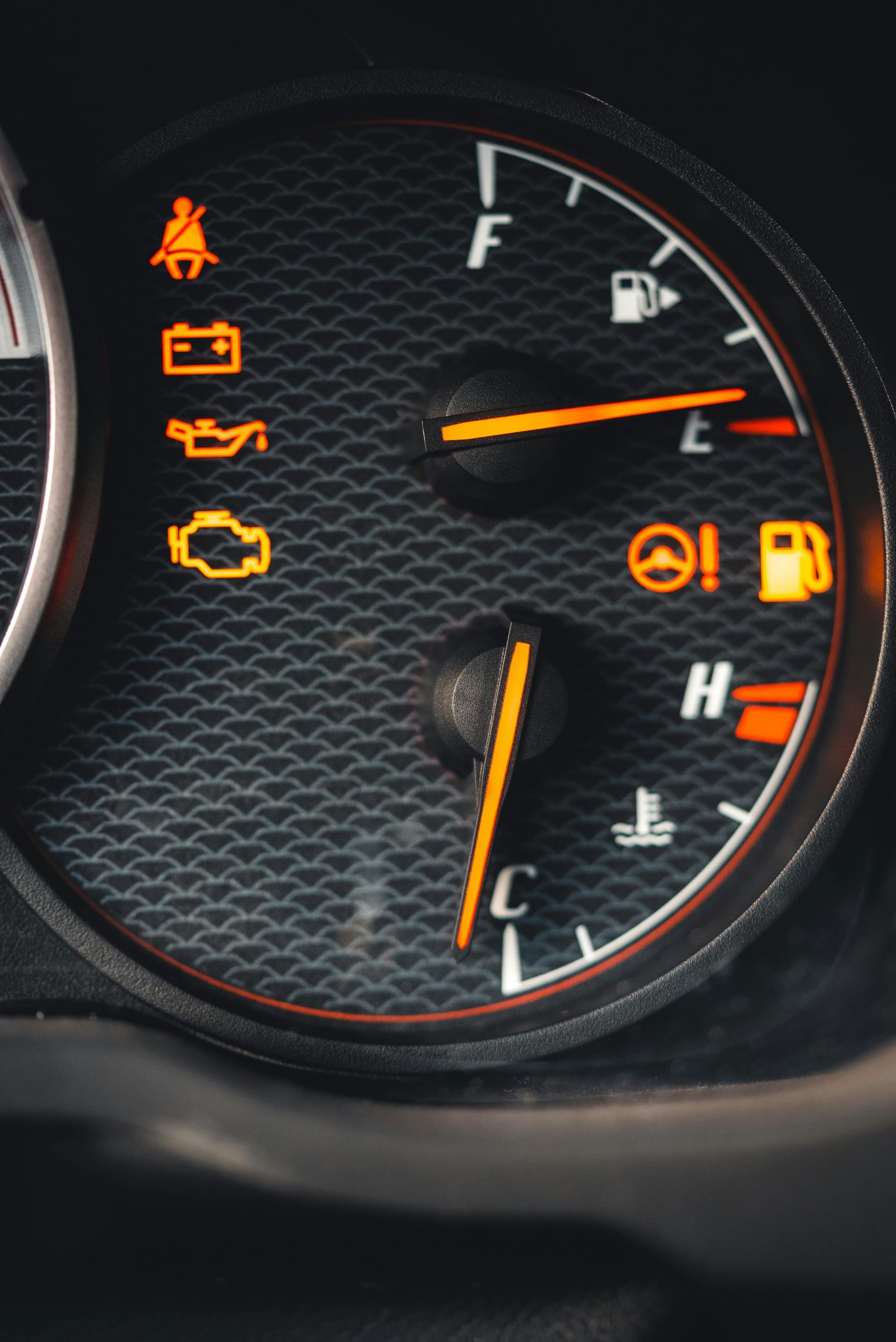
Your dashboard may display a transmission temperature warning light or the general check engine light. Lincoln drivers should never ignore these alerts—many serious issues can be diagnosed through onboard computer systems.
6. Unusual Noises in Neutral or Park
Grinding, clunking, or humming while idling or when the car is in neutral can point to worn bearings or internal component failure. If you hear unusual noises even when the vehicle isn’t in motion, have the transmission inspected.
7. Difficulty Shifting or Getting Into Gear
Both manual and automatic vehicles may resist shifting gears if the transmission is damaged. For automatics, this might show up as a hesitation to shift into drive or reverse. Manual drivers might find the clutch dragging or the shifter sticking.
8. Grinding or Shaking During Gear Changes
If your vehicle shudders, vibrates, or grinds when changing gears, internal damage could be occurring. These symptoms are often associated with worn synchronizers, misaligned gears, or contaminated fluid.
9. Unresponsive Transmission
If you press the accelerator and the car doesn’t move or responds sluggishly, especially in drive or reverse, it could be a major internal failure. A complete lack of movement often indicates serious mechanical or hydraulic failure.
10. Overheating Transmission
When the transmission runs too hot, it can damage seals, gears, and clutches. An overheating light, sluggish performance, or burning odor are all red flags. This is common in Lincoln summers or when towing without proper precautions.

What Causes Transmission Failure?
There are several reasons your transmission might fail prematurely, including:
- Lack of maintenance: Not replacing transmission fluid at proper intervals
- Overheating: Common in stop-and-go traffic or hot weather
- Low or old fluid: Causes internal friction and damage
- Towing heavy loads: Increases heat and wear on the transmission
- Aggressive driving habits: Harsh gear changes and sudden acceleration
- Electronic sensor failure: Impacts how the transmission shifts
Contaminants: Dirt, metal shavings, and fluid breakdown reduce lubrication
Transmission Maintenance Tips for Lincoln Drivers
Regular maintenance is the key to extending your transmission’s life. Here’s how to keep yours in top condition:
- Check fluid levels monthly and look for leaks
- Flush and replace fluid every 30,000 to 60,000 miles depending on make and model
- Use manufacturer-recommended transmission fluid only
- Avoid towing without a transmission cooler or proper gearing
- Drive gently, especially during cold starts
- Have your transmission inspected annually at a trusted local shop
Lincoln weather extremes—from freezing winters to blazing summers—can affect fluid viscosity and transmission performance. Schedule seasonal checkups to catch small issues early.
Diagnosing Transmission Problems
At Gracious Auto Repair in Lincoln, our ASE-certified technicians perform:
- Transmission fluid checks: Examining fluid level, color, and smell
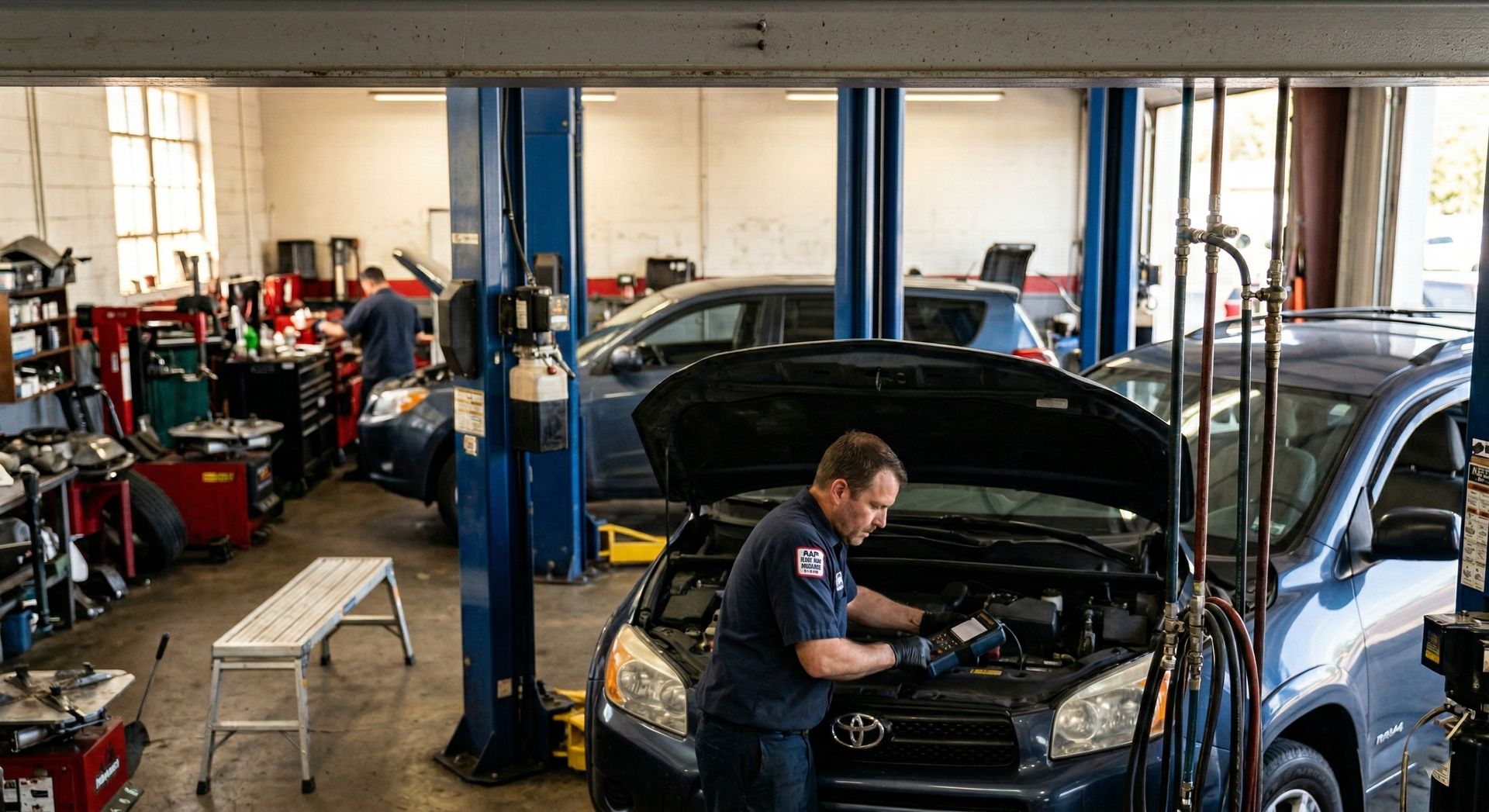
- Diagnostic scanning: Reading error codes from the transmission control module
- Test driving: Identifying hesitation, rough shifting, or slipping
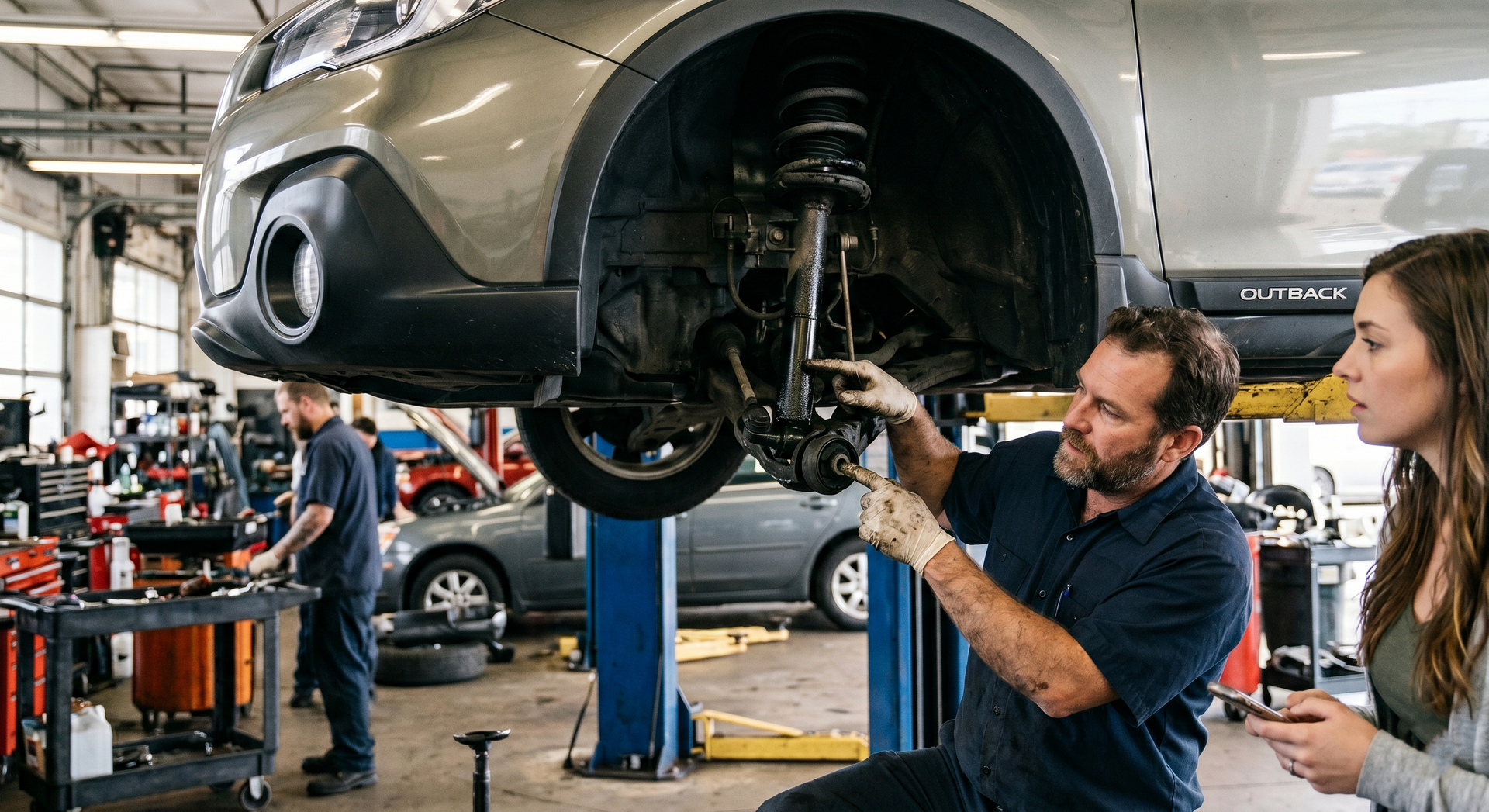
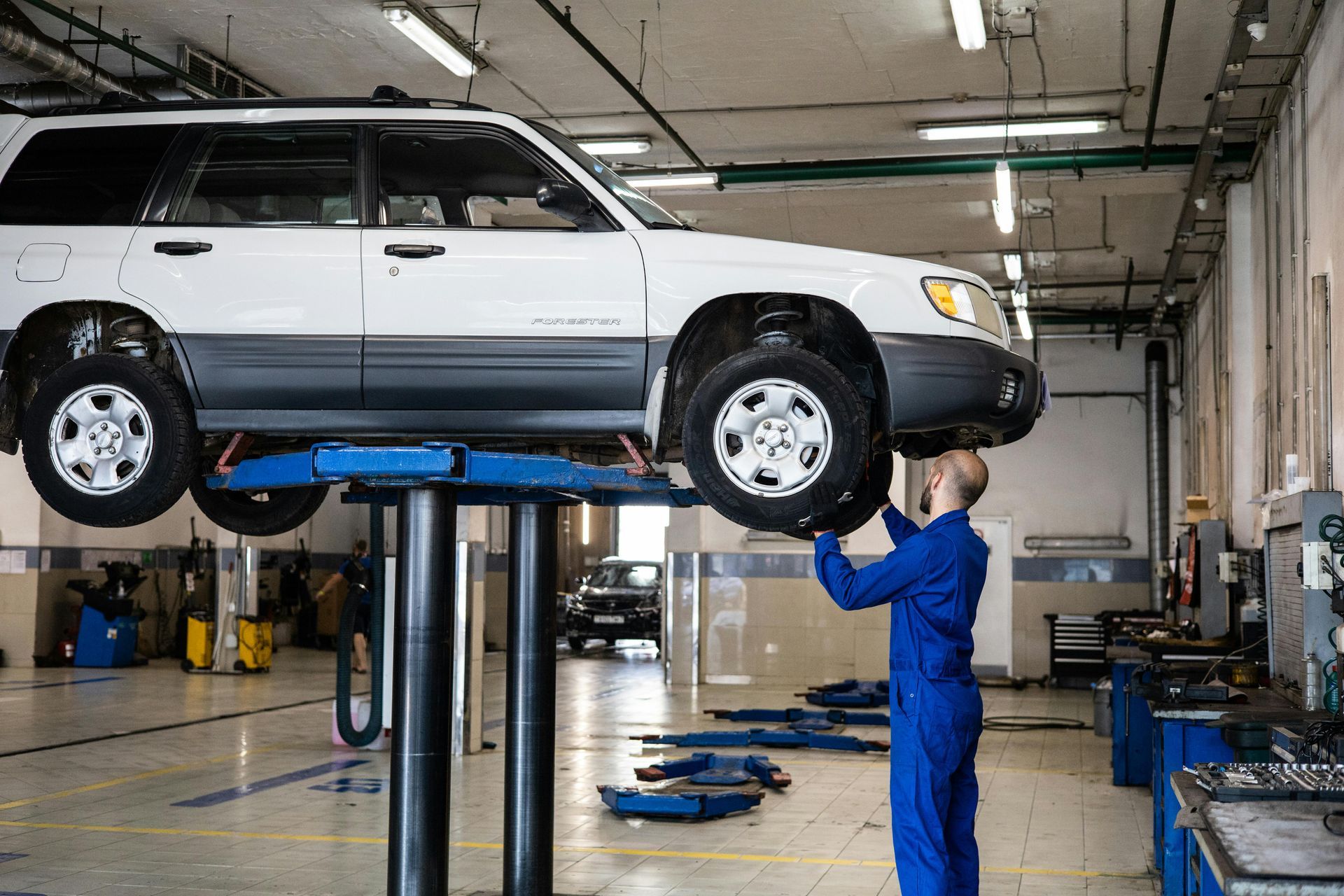
- Lift inspections: Checking for leaks, worn mounts, or loose connections
- Consultation and estimate: Providing clear next steps for repair or replacement
We use dealership-level diagnostic tools but offer far more personalized service. If you suspect transmission trouble, a diagnostic is the first step to avoiding a major breakdown.
Transmission Repair vs. Replacement
Many drivers fear transmission work because of the cost. The good news is that not all problems require a rebuild or replacement. Early intervention may involve simple repairs like:
- Fluid replacement: $100–$250
- Sensor or solenoid repair: $200–$600
- Seal replacement or pan gasket repair: $150–$400
When problems go unchecked, more complex repairs may be necessary:
- Rebuilds: $1,500–$3,500 depending on vehicle and damage
- Replacements: $3,500–$6,000+ for factory-new units
Gracious Auto Repair helps Lincoln drivers choose the most cost-effective solution based on vehicle age, mileage, and repair history. We never upsell and always prioritize value.
How Long Should a Transmission Last?
The body content of your post goes here. To edit this text, click on it and delete this default text and start typing your own or paste your own from a different source.With regular care, a modern automatic transmission can last 150,000 to 200,000 miles. Factors that shorten lifespan include:
- Delaying fluid changes
- Driving in stop-and-go traffic without cooling upgrades
- Ignoring small issues like slipping or shifting delays
- Using the wrong type of fluid
If you plan to keep your vehicle for the long term, following a consistent maintenance schedule will help you avoid one of the most expensive repairs a car can require.
Should You Drive With Transmission Issues?
Continuing to drive a vehicle with known transmission issues is risky. It can:
- Strain your engine
- Leave you stranded on the road
- Cause cascading damage to other systems
- Create safety risks when shifting fails during turns or merges
If you notice signs of failure, pull over safely and call for a tow. Never ignore flashing warning lights or severe hesitation.
FAQs – Transmission Problems in Lincoln, NE
Can I still drive my car with a slipping transmission?
It may move, but it’s unsafe. Slipping increases friction and can destroy internal components.
How often should I change transmission fluid?
Every 30,000 to 60,000 miles depending on the vehicle. Severe weather or heavy use may require more frequent changes.
What type of transmission fluid should I use?
Always refer to your owner’s manual. Using the wrong fluid can damage your transmission.
Is transmission repair covered by insurance?
Usually not. However, if caused by an accident, it may be covered under collision. Extended warranties may also apply.
How do I know if I need a rebuild or replacement?
This depends on the extent of the internal damage. Our diagnostics will help determine the best path forward based on your car’s condition.
Contact Gracious Auto Repair for Transmission Help in Lincoln, NE
If your vehicle shows signs of transmission trouble—don’t wait. The sooner you act, the better your chances of avoiding major repairs or full replacement.
Gracious Auto Repair offers full-service transmission diagnostics, maintenance, repair, and rebuilds for all makes and models. We treat every vehicle like it’s our own and every customer like a neighbor.
We proudly serve Lincoln, Yankee Hill, College View, Roca, and nearby communities. Same-day diagnostics and quick turnaround are available for most services.
Call
(402) 430-7063 or visit us at:
Gracious Auto Repair
10001 Weeks Dr
Lincoln, NE 68516
Monday – Friday: 8:00 AM – 5:00 PM
https://www.graciousautorepair.com
Internal Links
- Transmission Services – https://www.graciousautorepair.com/transmission-replacement
- Diagnostics –
https://www.graciousautorepair.com/warning-light-diagnostics
External Link
- NHTSA Powertrain Overview – https://www.nhtsa.gov/equipment/powertrain