When to Replace Your Brake Pads

December 9, 2025

Wondering when to replace your brake pads?

Your vehicle’s braking system is its most important safety feature. In Lincoln, NE—where drivers contend with slick winter roads, summer road trips, and busy stop-and-go traffic—brake reliability is essential. Knowing when to replace your brake pads can help you avoid costly repairs, stay safe, and maintain the performance of your vehicle.

In this detailed guide, we'll walk you through how brake pads work, how to recognize the most common signs of wear, how often you should replace them, and what to expect when you bring your vehicle in for brake service at Gracious Auto Repair.

How Brake Pads Work

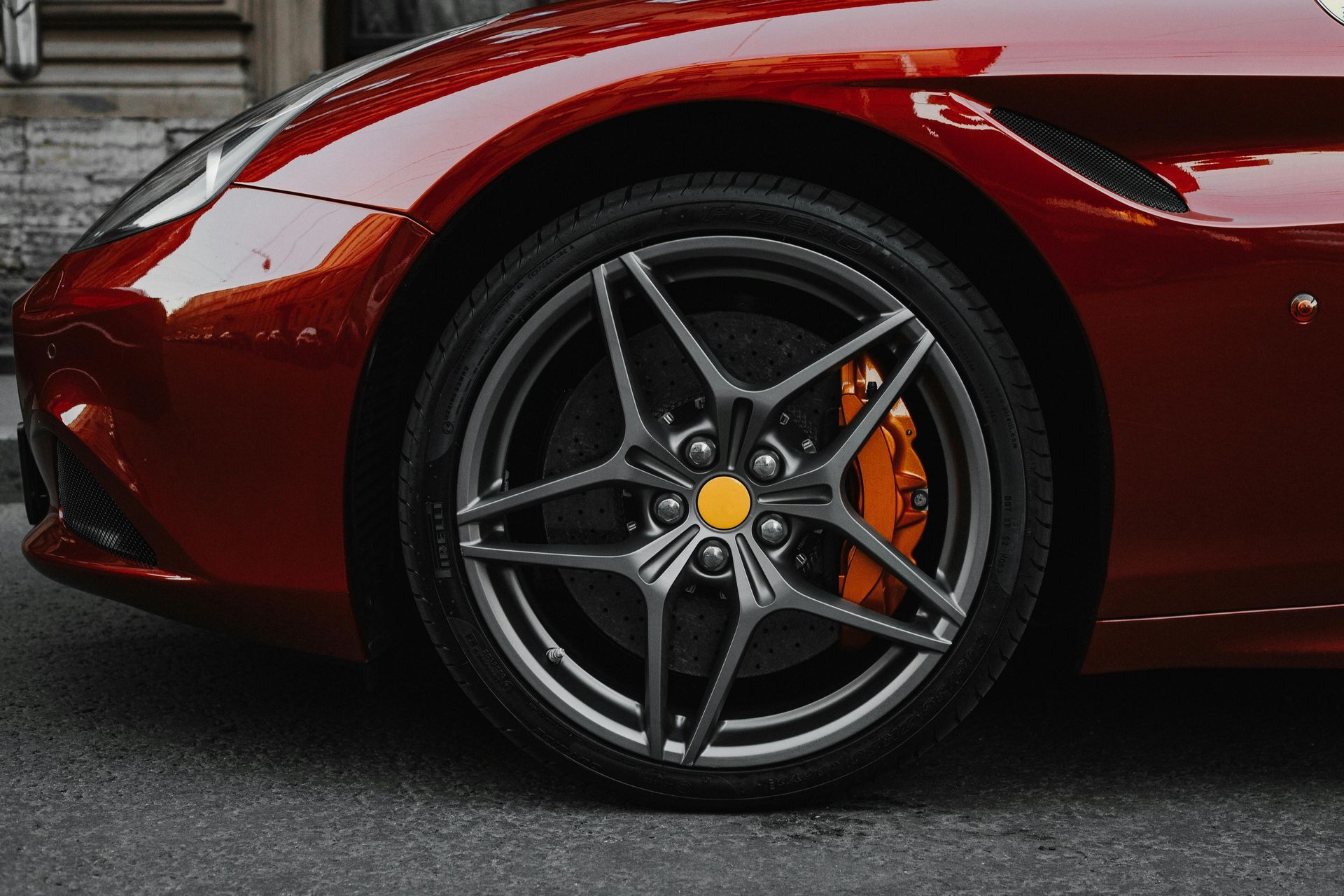
Brake pads are the components that press against your brake rotors to slow or stop your vehicle. When you press the brake pedal, hydraulic fluid forces calipers to clamp the pads against the spinning rotors. This creates friction, converting kinetic energy into heat.

Brake pads wear down over time due to that friction. Most pads include wear indicators—small metal tabs that squeal when the pads are nearing the end of their lifespan.

Top Signs Your Brake Pads Need Replacement

1. Squealing or Screeching Noises


If you hear a high-pitched squeal when you apply the brakes, your brake pad wear indicators are doing their job. This is your first sign that your pads are wearing thin and should be replaced soon.

2. Grinding Sounds


Grinding means the pads have worn completely, exposing the metal backing plate. This can damage your rotors and significantly increase your repair costs.

3. Longer Stopping Distances


Worn brake pads decrease stopping performance. If your vehicle takes longer to stop or feels less responsive under braking, schedule a brake inspection immediately.

4. Vibration or Pulsation in the Brake Pedal


If you feel a pulsing sensation through the brake pedal, your rotors may be warped due to prolonged use of worn pads or overheating. New pads won’t solve this alone—the rotors must also be resurfaced or replaced.

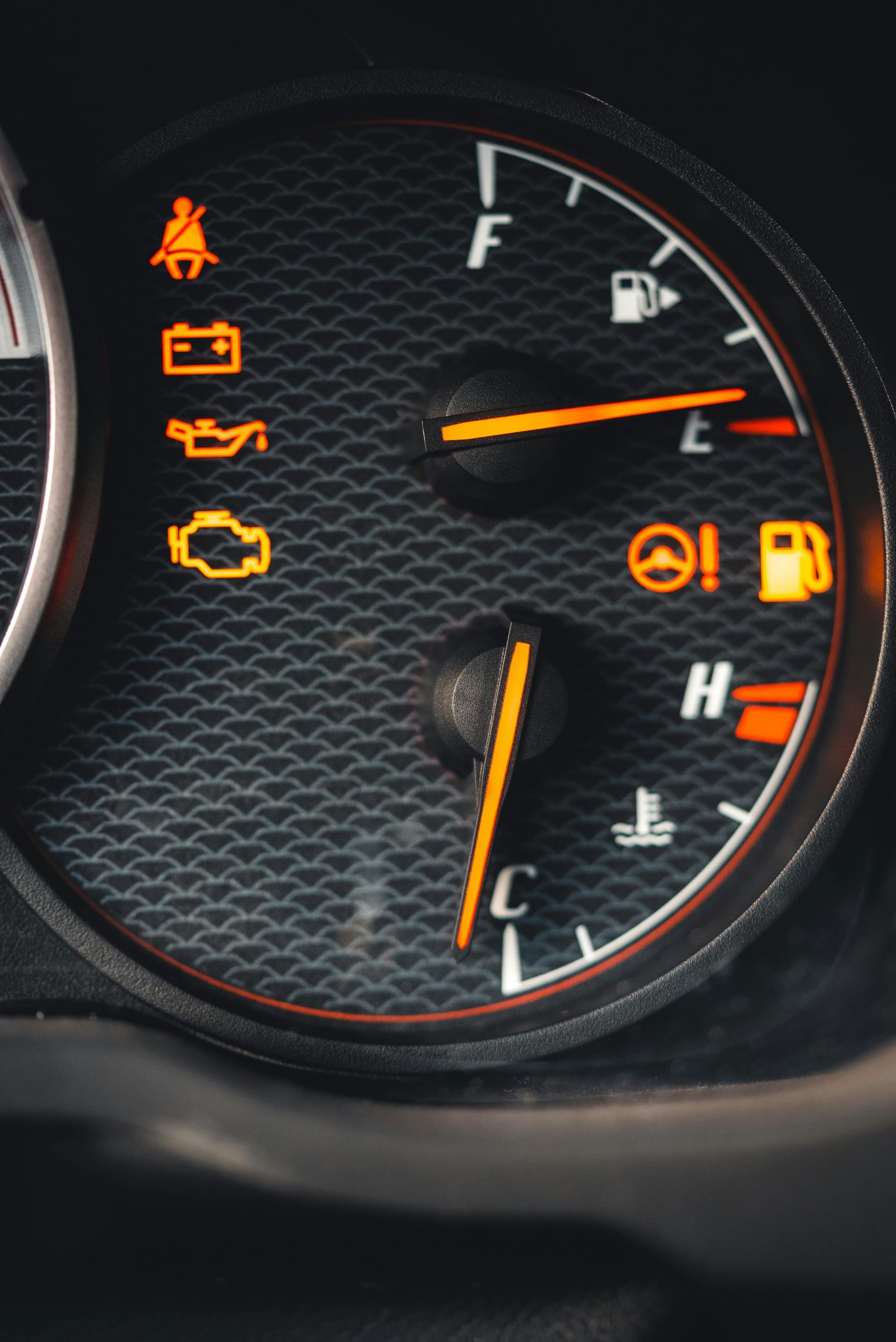
5. Brake Warning Light


Many vehicles have sensors that trigger a dashboard warning when pad thickness falls below a certain level. Don’t ignore this alert—have your brakes inspected.

6. Pulling to One Side


If your car pulls to the left or right when braking, it could be due to uneven brake pad wear or a stuck caliper. Both require immediate service.

7. Visual Inspection


You may be able to visually inspect the brake pads through your wheels. If the pad material is less than 1/4 inch thick, it’s time for new ones.

How Often Should You Replace Brake Pads?

There’s no one-size-fits-all answer. Brake pad life depends on your driving habits, the material of your pads, and the type of vehicle you drive. Here are general guidelines:

  • Standard driving: Replace every 40,000 to 60,000 miles

  • City driving or frequent braking: Replace every 20,000 to 30,000 miles

  • Highway driving: Pads can last up to 70,000 miles or more

In Lincoln, where drivers encounter stop-and-go traffic, seasonal weather changes, and hilly terrain, it’s wise to check your brake pads more often.

We recommend having your brakes inspected every 6 months or 6,000 miles, especially if you’ve noticed any of the warning signs above.

Types of Brake Pads and Their Lifespan

There are three main types of brake pads used in today’s vehicles:

1. Ceramic Brake Pads


These pads are made from ceramic fibers, filler materials, and bonding agents. They’re known for being quiet, low-dust, and long-lasting. Most ceramic pads last 60,000 to 80,000 miles.

2. Semi-Metallic Brake Pads


These are a blend of metals like copper, iron, and steel. They provide excellent stopping power and heat resistance but tend to wear rotors faster. Expect a lifespan of 30,000 to 50,000 miles.

3. Organic Brake Pads


Made from materials like rubber, glass, and resin, these pads are soft and quiet but wear out quickly. They may last 20,000 to 40,000 miles.

Brake Pad Wear Factors in Lincoln, NE

Lincoln’s diverse driving conditions can cause brake pads to wear faster than the national average. Common local factors include:

  • Winter road salt and moisture: These can cause corrosion that damages brake parts.

  • City traffic: Frequent braking wears down pads faster.

  • Hilly terrain: Repeated downhill braking increases heat and friction.

  • Rural roads and gravel: Increased dust and debris can contaminate brake components.

By understanding how Lincoln’s environment impacts your brakes, you can take proactive steps to maintain your system.

Risks of Delaying Brake Pad Replacement

Driving with worn pads doesn’t just compromise safety—it can also lead to more expensive problems:

  • Rotor damage: Metal-on-metal contact grooves the rotors.

  • Brake caliper failure: Overextended pistons can become stuck or leak.

  • Brake fade: The system loses effectiveness under repeated use.

  • Increased stopping distance: This puts you and other drivers at risk.

Replacing brake pads early protects other parts of the braking system and avoids more costly repairs.

Brake Pad Replacement at Gracious Auto Repair

At Gracious Auto Repair, we follow a thorough, transparent process for every brake pad replacement:

Step 1: Inspection


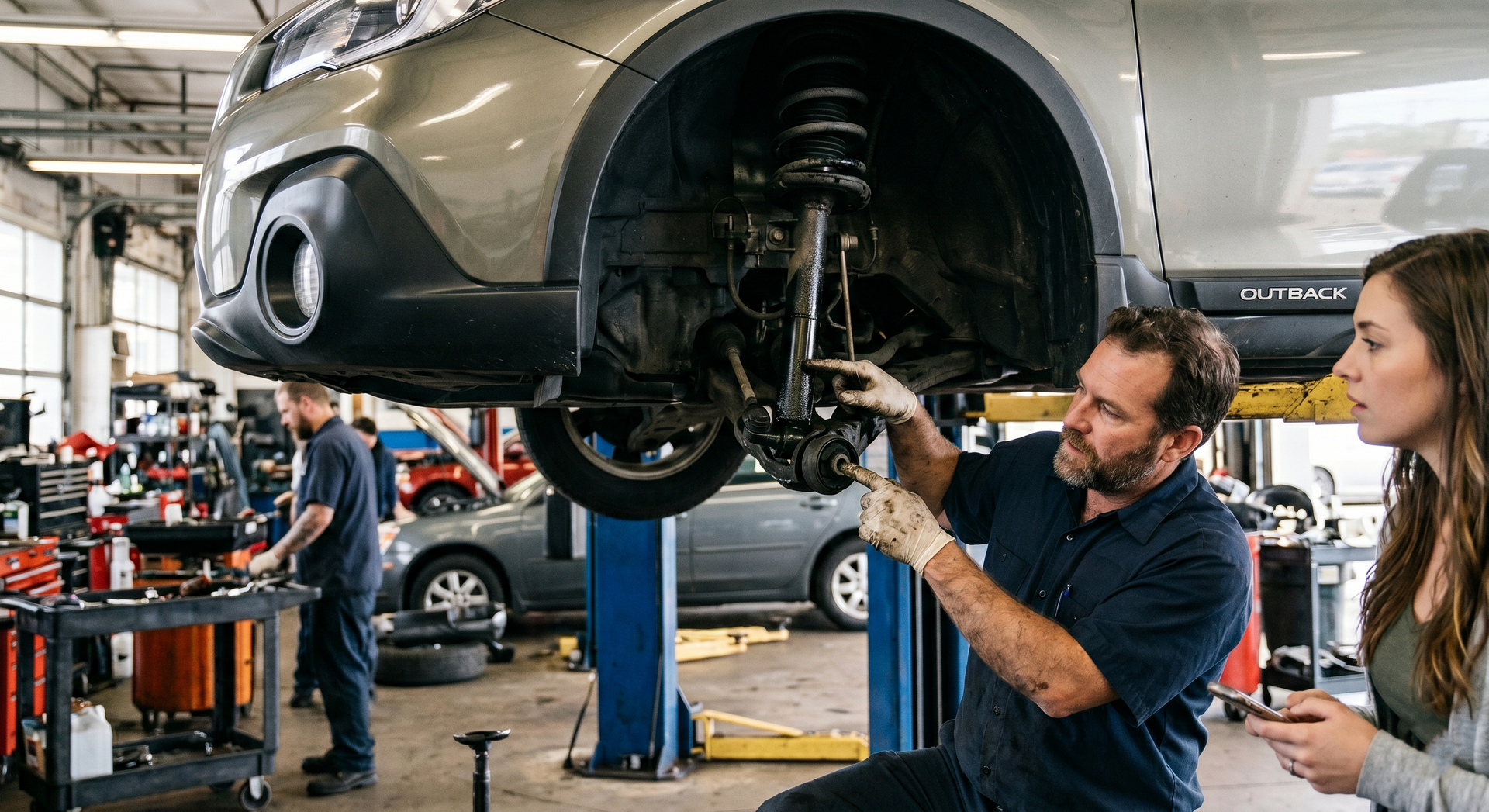
We start with a full inspection of your brake system—including pads, rotors, calipers, fluid, and hoses.

Step 2: Diagnosis


We confirm whether your pads are worn and check for rotor damage or uneven wear.

Step 3: Pad Replacement


We remove old pads, clean the caliper components, and install new high-quality pads suited to your vehicle.

Step 4: Rotor Resurfacing or Replacement


If your rotors are below minimum thickness or show signs of warping, we recommend replacing them.

Step 5: Fluid Check and Brake Test


We top off your brake fluid and test the system to ensure smooth, responsive braking.

Most brake pad replacements can be completed in under 2 hours, depending on the vehicle.

What Does Brake Pad Replacement Cost in Lincoln?

Brake service pricing depends on your vehicle, the type of pads, and whether rotors also need attention. Here are average ranges:

  • Brake pad replacement only: $150–$300 per axle

  • Pad and rotor combo: $250–$500 per axle

  • Luxury or performance vehicles: $400–$800+

At Gracious Auto Repair, we’ll always provide a written estimate before work begins. We use high-quality pads and back our labor with a warranty.

Brake Pad Maintenance Tips

To maximize brake pad lifespan and performance, follow these tips:

  • Avoid hard braking when possible

  • Use engine braking on long descents

  • Maintain a safe following distance to reduce sudden stops

  • Keep your vehicle at a healthy weight—extra cargo adds stress to brakes

  • Schedule regular inspections, especially before winter or road trips

These habits can save you money and keep your brakes responsive.

Brake Pad FAQs for Lincoln Drivers

How do I know which brake pads my car needs?


Your owner’s manual provides the specifications. Our technicians can also recommend the best pads based on your driving needs.

Can I just replace the brake pads and not the rotors?


Yes, if the rotors are in good condition. But if they’re worn or warped, we recommend replacing both to ensure even braking and longer pad life.


Should front and rear pads be replaced at the same time?


Not always. Front brakes typically wear out faster. We’ll measure both and advise based on wear.

What happens during a brake inspection?


We check pad thickness, rotor condition, caliper function, fluid level, and look for leaks or unusual wear.


Is it safe to drive with a brake warning light on?


It’s not recommended. Even if the light is only triggered by a sensor, it could indicate a serious problem.

Contact Gracious Auto Repair for Brake Service in Lincoln, NE

If you’ve noticed squealing, grinding, vibration, or reduced stopping power, it’s time to have your brakes inspected. Don’t take chances with your safety.

At Gracious Auto Repair, we provide:

  • Brake pad replacement

  • Rotor resurfacing or replacement

  • Brake fluid flushes

  • Caliper service and repair

  • Honest, upfront pricing

Serving Lincoln, Roca, Yankee Hill, and surrounding communities, we offer same-day appointments and quality parts backed by warranty.

Call us today at (402) 430-7063 or visit us at:
Gracious Auto Repair
10001 Weeks Dr
Lincoln, NE 68516
Monday–Friday: 8:00 AM – 5:00 PM
https://www.graciousautorepair.com/

Internal Links

External Link

Recent Posts

Shiny chrome engine in a green classic Volkswagen Beetle.
November 24, 2025
Worried your transmission is failing? Lincoln drivers, here are key signs to watch for—and when to visit Gracious Auto Repair for expert help.
Close-up of a car's dashboard with the speedometer showing a red
November 7, 2025
Confused by warning lights on your dashboard in Lincoln, NE? Learn what they mean, what to do, and when to visit Gracious Auto Repair.
Black car wheel with silver and gray spokes.
October 23, 2025
Wondering how often to rotate your tires in Lincoln, NE? Learn expert tips from Gracious Auto Repair to extend tire life, improve safety, and save money...
Affordable Auto AC Repair Near Me – Lincoln, NE | Gracious Auto
By Bean Mcnamara October 8, 2025
Is your car's AC blowing warm? Get affordable auto AC repair near you in Lincoln, NE. Call Gracious Auto Repair for fast, local service today.
Dashboard Warning Light Lincoln NE – What It Means & What To Do
September 23, 2025
Unsure what your dashboard warning light means? Learn what to do when lights appear in Lincoln, NE. Visit Gracious Auto Repair for diagnostics today.
Brake Repair in Lincoln, NE – 7 Signs You Need Service Now
September 4, 2025
Brakes making noise or feel off? Learn 7 signs your car needs brake repair in Lincoln, NE. Stay safe and get expert service at Gracious Auto Repair.